

In its first edition under Artistic Director Isabel Arrate Fernandez, IDFA highlighted documentaries that cross borders both geopolitical and
Docs about War
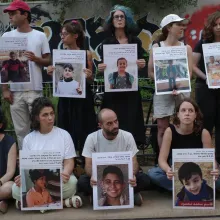
Hilla Medalia’s new short observes a weekly vigil in Tel Aviv in memory of children killed in Gaza
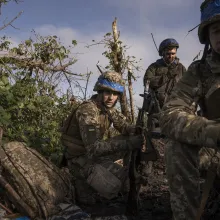
In this interview, Mstyslav Chernov discusses how he transformed war reporting into immersive cinema in 2000 Meters to Andriivka
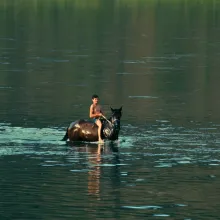
In this interview, Dmytro Sukholytkyy-Sobchuk talks about how the war refocused his portrait of a Ukrainian pacifist community in Silent Flood
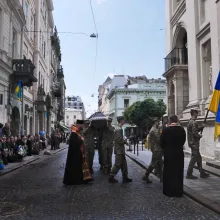
In this interview, Vitaly Mansky talks about how Bruegel paintings influenced his three-hour epic about life in Lviv, Time to the Target
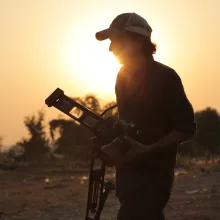
Brent and Craig Renaud risked their lives to make vérité documentary journalism—after Brent’s death, Craig honored his life with a new film
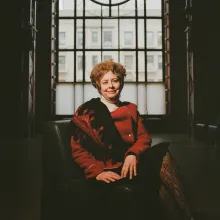
Heiny Srour, who made two landmark features advancing the role of women in liberation movements, is not shy about being a “first”

While Karlovy Vary may be best known for its star wattage and warm midsummer embrace of fiction auteurs, this year’s 59th edition (July 4–12) once again made a powerful case for documentary’s enduring vitality. Across the official selection, sidebars, and special screenings, nonfiction titles proved indispensable in reflecting Europe and the region’s evolving identities, eccentricities, and contradictions. This festival dispatch includes reviews of Grand Prix-winner Better Go Mad in the Wild, TrepaNation, Action Item, and Divia.
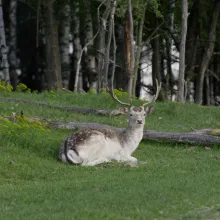
Documentary is thrilled to debut the trailer of Divia, the latest film by Ukrainian filmmaker Dmytro Hreshko (Snow Leopard of the Carpathians, King Lear: How We Looked for Love During the War), set to celebrate its world premiere in the Crystal Globe Competition of this year’s Karlovy Vary International Film Festival on Sunday, July 6.
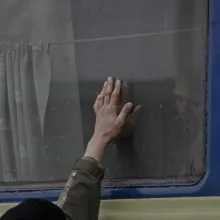
Alina Gorlova, Yelizaveta Smith, and Simon Mozgovyi’s riveting Militantropos , its title a mashup of “milit" (soldier in Latin) and “antropos” (human