
In this interview, The History of Concrete director, John Wilson, talks about impermanence, shooting solo and repurposing cut scenes into B-roll
Essay Docs
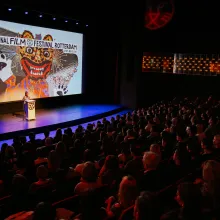
At the 55th edition, documentaries on displacement and genocide reveal the festival’s constrained relationship to political change
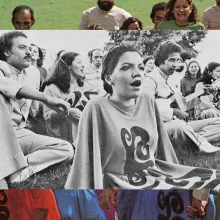
Montreal-based Iranian filmmaker Sanaz Sohrabi traces a century of oil’s colonial violence and contested solidarities across three archive-based essay
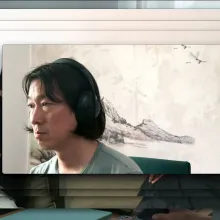
In this interview, Kevin B. Lee discusses why he needed to expand the desktop documentary to craft his feature debut, Afterlives
Pioneering video essayist Kevin B. Lee’s debut solo feature Afterlives critically reassesses his earlier work on extremist propaganda
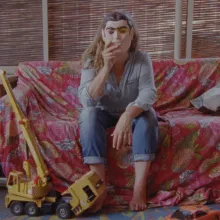
In this interview, Lee Anne Schmitt discusses how Evidence uses childhood objects and family memories to investigate the propagation of conservative
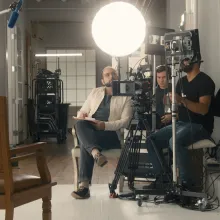
David Osit discusses how Predators, his house of cards examining Chris Hansen’s controversial sting show and its YouTube imitators, stealthily
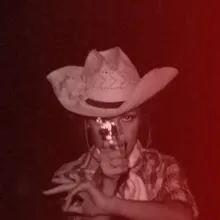
In this interview on Under the Flags, the Sun, Paraguayan director Juanjo Pereira discusses completing his archival excavation of former President
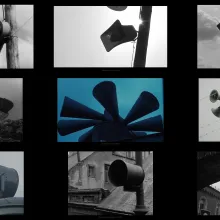
In this interview on his collage film Holofiction, Michal Kosakowski discusses Holocaust cinema symbols in the present day
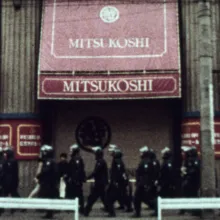
On October 8, 1968, a .22 caliber Rohm RG-10 handgun––colloquially known as a “Roscoe”––was stolen from a U.S. Naval Base in Yokosuka. Over the course of the next month, four shootings took place in Tokyo, Kyoto, Hokkaido, and Nagoya. The perpetrator, Norio Nagayama, was arrested and imprisoned the following April, two months shy of his 20th birthday. The cold, hard facts of this teenage murderer’s case served as the basis for Masao Adachi’s pioneering, hauntological landscape documentary A.K.A. Serial Killer, completed in 1969 but not shown publicly until 1975.