What are the ethics of using Deep Fakes to anonymize sources in non-fiction media? What are the layers of consent that require consideration? What are the futures, the risks, and the opportunities of these types of manipulations? What strategies can non-fiction media makers (journalists, documentarians, and artists) implement to navigate the complex landscape of these technologies?
Educational Seminars
Our year-round series of seminars, panels and workshops focusing on the art, craft and business of documentary filmmaking. Become an IDA member to access previous seminars online.
Join Emmy®-winning filmmaker Lindsey Dryden and filmmaker & writer Kyla Harris in a workshop on Disability Justice, disabled-led creativity, and accessibility in the film and TV industry.
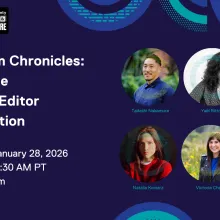
In this session, two critically acclaimed filmmaking teams will share the granular details of their working relationship, walking through scenes from meaningful recent films.
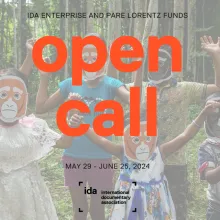
If you live outside the United States, reviewed the Open Call Info Video Series, and still have questions about the Open Call Applications, then these Office Hours are perfect for you! As non-USA applicants, you may have questions about eligibility, our guidelines, how we evaluate projects, and how
A very small number of film festivals seem to hold an enormous amount of sway over a film’s sales and distribution prospects, as well as the filmmakers’ chances at creating a sustainable living through filmmaking. This perception drives many filmmakers to pin their hopes on just a handful of market-driven festivals that are most important in their region, whether it’s North America (where Sundance looms large), Europe (Cannes, which accepts very few documentaries), Asia (A-list festivals like Busan or Singapore) or elsewhere. In reality, there is a vast ecosystem of film festivals that can all contribute to the healthy life of a documentary film project, and distribution that doesn’t rely on the catalyst of perceived film festival success.
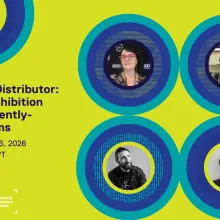
In this panel, we will meet leading film bookers working in the U.S. and hear about the strategies and opportunities for placing independent films in theaters.
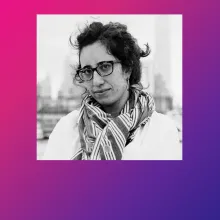
A 90-minute workshop with Maya E. Rudolph, Vice President of Non-Fiction at Louverture Films.
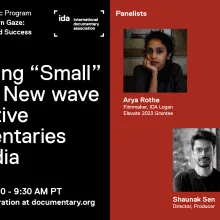
In recent years, “creative documentaries,” especially those from India, have soared to new heights globally, carving out a unique space in world cinema. What exactly are "creative documentaries," and how do they intersect with Indian and Western audiences? India has experienced a rise in successful documentaries, yet many of these projects are primarily made possible through support from Western funding bodies and institutions. This dynamic prompts reflection on the tenets by which decisions to fund these films are made.