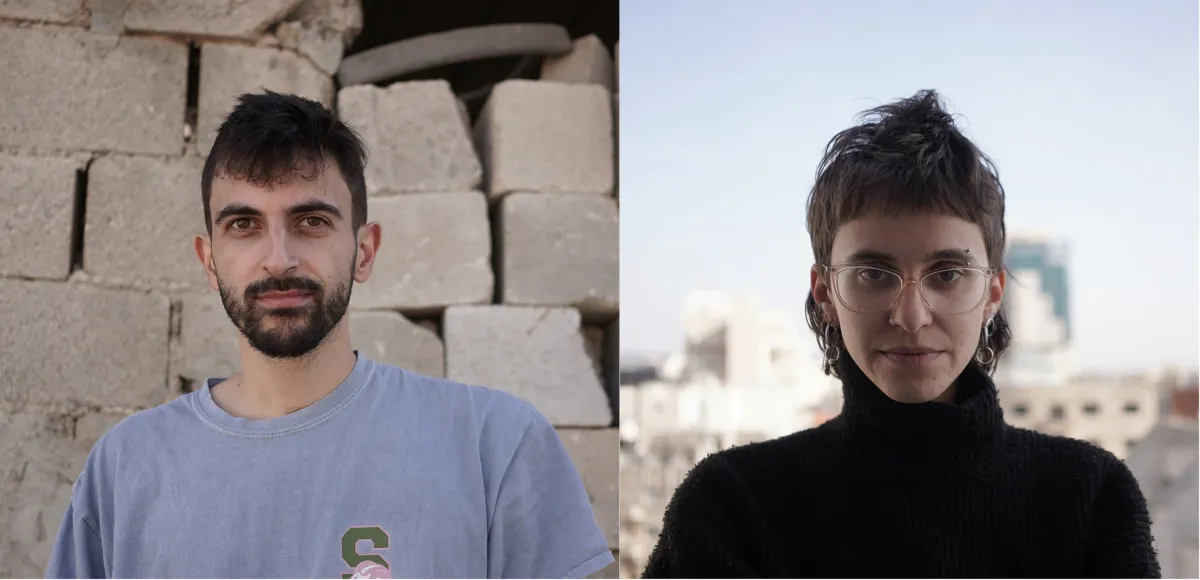
IDA calls on the Israeli government to withdraw its threats against filmmakers Yuval Abraham and Rachel Szor. We also call for an end to the public campaign of intimidation against them. Since NAZA won the Special Jury Prize at the Venice Film Festival, senior Israeli officials have moved against
Advocacy
IDA defends the rights of documentarians to express their ideas and opinions fully (without censorship, threats or intimidation), and the rights of audiences to have access to documentary practice.
To define freedom of expression our frame of reference is the US First Amendment (in the US context) and the International Covenant on Civil and Political Rights (in the international context). Yet our attention to freedom of expression extends beyond the actions of state actors.
IDA will address issues in the private and commercial sectors in so far as they impact freedom of expression for documentary makers including policies and practices that restrict how documentaries are made and seen.
To make IDA aware of issues that may need to be addresed, email advocacy@documentary.org
IDA Advocacy Work
Image
On Monday, the twelve US state Attorneys General who sued to block the Paramount–Warner Bros. Discovery merger settled with Paramount. The Ellison family will take over Warner Bros. Discovery. On behalf of filmmakers, we are disappointed and angry that this has been allowed to happen. It is a bad
Updated on July 13, 2026– Paramount Skydance’s acquisition of Warner Bros. Discovery July 13, 2026 Today, California Attorney General Rob Bonta, along with a coalition of 12 state attorneys general from Arizona, Colorado, Connecticut, Massachusetts, Minnesota, Nevada, New Jersey, New Mexico, New
Updated on June 8, 2026–Safety Planning Training for Documentarians June 8, 2026 Censorship is not always overt. In fact, many democracies that openly espouse values of freedom of speech and expression often engage in more covert forms of censorship and suppression. Of late, this is what the world
Image
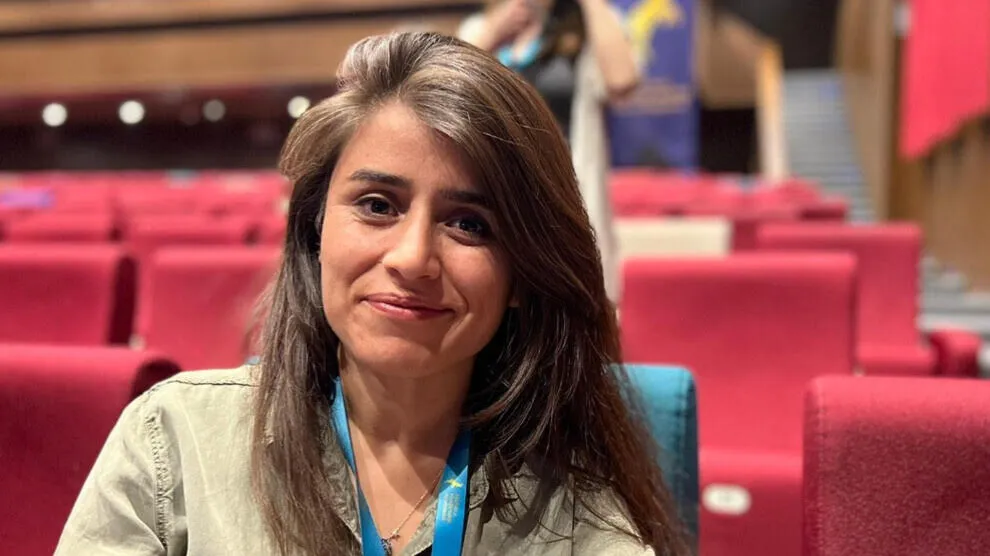
IDA, in solidarity with our partners at the International Coalition for Filmmakers at Risk (ICFR), calls on the Turkish authorities to drop the accusations against filmmaker and festival organizer Rojhilat Aksoy, amid a growing crackdown on Kurdish and Armenian films and filmmakers.
The Hellenic Documentary Association (Hellas Docs) has asked IDA to add our voice to their "Culture Absent" initiative, and we are glad to do so. This week, IDA joined European documentary organizations at the Thessaloniki Documentary Festival to build stronger, more coordinated support for
Acquisition of Warner Bros. Discovery jeopardizes the future of documentary filmmaking.
Image
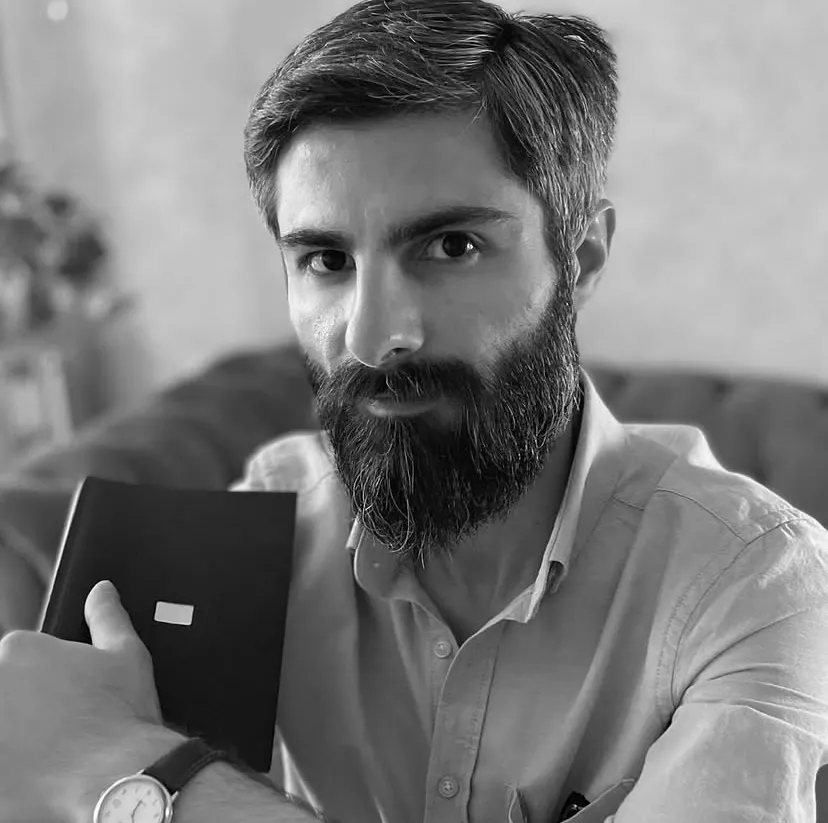
Yesterday, October 30, documentary filmmaker Giorgi Mrevlishvili was detained by authorities in Georgia. This news was reported in social media posts published by Documentary Association Georgia, one of IDA’s peer organizations.
Image
We received yet another threat to free speech and expression by documentary filmmakers, this time, the call comes from Hungary. Our friends at the Hungarian Documentary Association have published the statement below on May 15.
This article will be updated regularly as the situation unfolds with news and calls to action. July 30, 2025 The recent vote to eliminate federal funding for public media was a significant setback and disheartening for all US residents, and especially our documentary community. Despite the outcome