-
Frank Zamacona, Director
-
Sandra Evans, Producer
About the Project
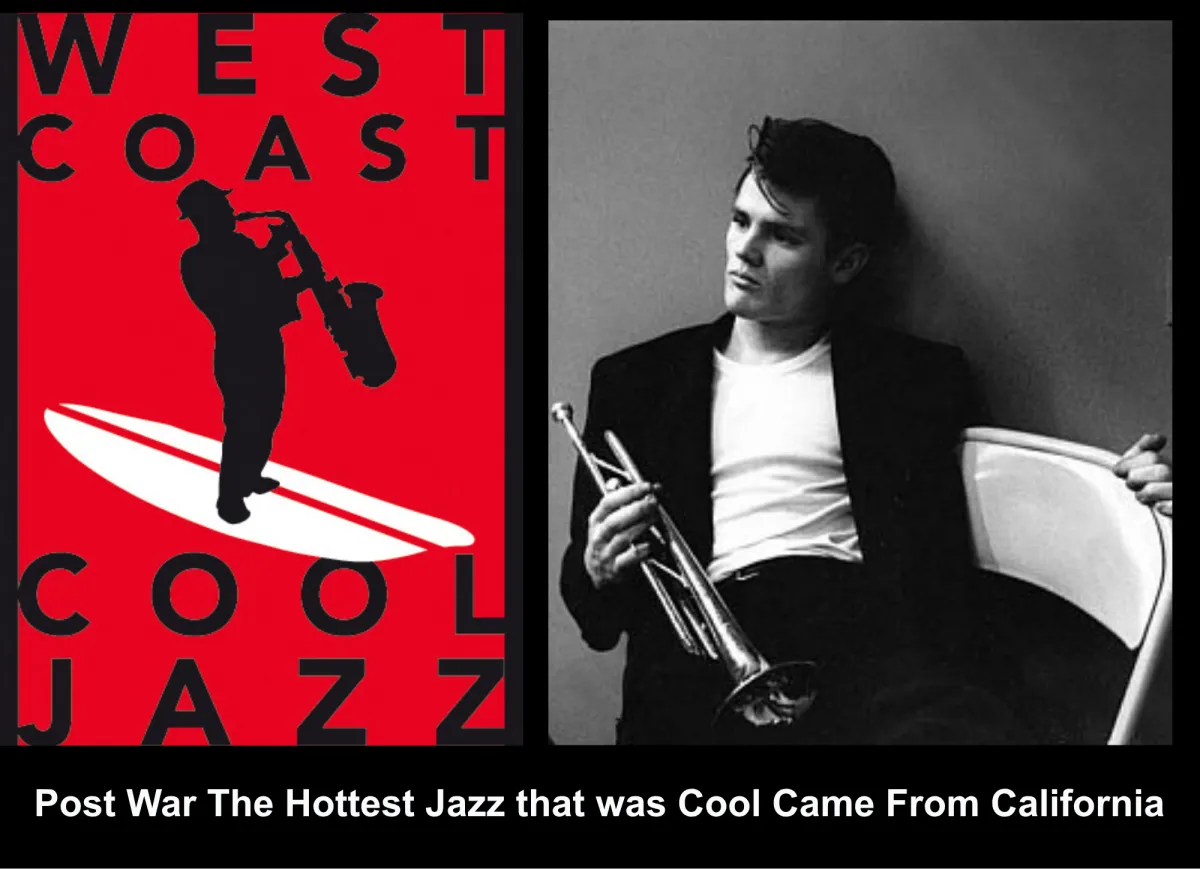
Between 1949 and 1969, California served as a sprawling laboratory where jazz, film and television, design, and poetry converged to create a globally recognized aesthetic which became known as "Cool."
Emerging from post-WWII economics and the gradual waning of the Big Band era, a new sound, West Coast Cool Jazz, created a profound shift in American identity—translating post-war angst and existential questioning into a lyrical, open vocabulary of individual and creative artistic expression.
West Coast Cool Jazz: Stories from the Coast and Beyond traces how California became the epicenter of this movement, contrasting the open, experimental landscape of the West Coast with the frantic, high-velocity energy of East coast Bebop.
The project moves beyond nostalgia to deconstruct the myths of the sun-drenched aesthetic. It directly examines how redlining, statutory segregation, and post-war entertainment industry practices restricted Black musicians, while highlighting integrated creative hubs like Los Angeles’s Central Avenue and the Lighthouse Cafe, where artists used collaborative improvisation to transcend social barriers.
The documentary restores the historical record by balancing iconic, commercially successful figures—such as Dave Brubeck, Chet Baker, and Gerry Mulligan—against key Bebop greats and true innovators like Miles Davis and Gil Evans, while restoring recognition to unsung, historically obscured artists whose contributions were sidelined by mid-century marketing and archival biases, including Mary Lou Williams, Melba Liston, and Vi Redd.
The film explores the vibrant cross-pollination between jazz and literary history, showing how Cool Jazz directly structured the Beat poetry of Jack Kerouac, Allen Ginsberg, and Lawrence Ferlinghetti.
The story is told through rare 16mm archival footage, legacy broadcasts, and by master jazz scholars and musicians who anchor the narrative. Ultimately, West Coast Cool Jazz shows how a regional sound became a multi-disciplinary, global phenomenon that permanently redefined postwar American culture.