When thinking about getting our films seen, many filmmakers are focused on getting into a big film festival to land a big broadcast or streaming deal because we believe that is what will connect our films with audiences.
Public
Access in the documentary field is often framed in technical terms, instead of in creative, conceptual, and spiritual ways. In this virtual discussion on the spirit of independence, filmmakers Ella Glendining, Lindsey Dryden, and other filmmakers will elaborate on what voice, audience, and success mean to them as disabled filmmakers, and how reframing "access" beyond accessibility can create and sustain space for radical new voices in the documentary industry.
The BAVC MediaMaker Fellowship is a 10-month collaborative, community-driven intensive that provides first time documentary feature directors with travel, mentorship, critical feedback, education, unrestricted funding, and the opportunity to form lasting and supportive peer relationships.
Panelists will discuss what they have learned from their past experiences, how they plan to do things differently for their next projects, and the knowledge and tools they hope will help prepare other creators, both emerging and more established.
In her keynote address, Jemma Desai will question the role of integrity in the documentary field. James Baldwin understood the integrity of artists as an analogue for the integrity of being human.
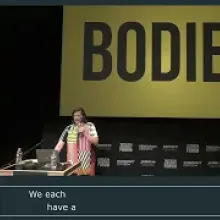
Never in human history has the global circulation of images happened at the speed and scale it is now. When cameras were invented over 200 years ago, they required people to operate them. Besides machine-operated surveillance cameras and drones, we now see images that are generated by AI in the absence of both human bodies and minds.
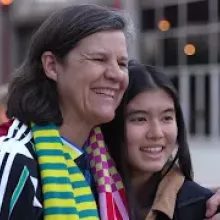
Thanks for getting real with us at our sixth biennial Getting Real conference! 1500+ documentary practitioners attended in person in Los Angeles and virtually from 40+ countries.
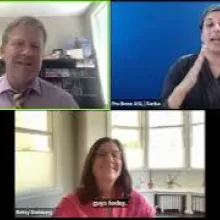
Tax incentives can be frightening. Tax incentives can seem like instruments for large scale productions; instruments that have little to do with the independent documentary filmmaker.
What are the ethics of using Deep Fakes to anonymize sources in non-fiction media? What are the layers of consent that require consideration? What are the futures, the risks, and the opportunities of these types of manipulations? What strategies can non-fiction media makers (journalists, documentarians, and artists) implement to navigate the complex landscape of these technologies?
In this two-hour workshop, entertainment attorney Chris Perez will clarify and simplify questions about fair use. Chris, who is a partner at Donaldson Callif Perez, current co-president of the IDA Board, and co-writer of Clearance and Copyright, 5th Edition and The American Bar Association’s Legal Guide to Independent Filmmaking, will use his extensive experience helping documentary filmmakers navigate clearance issues to break down the do’s and don’ts of fair use.