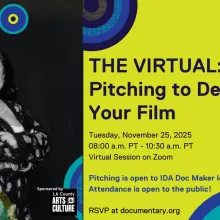
Documentarians will always be pitching. Whether on a formal stage at a film festival or informally in the waiting room of a doctor’s office
Webinars & Workshops
IDA’s year-round webinars and workshops provide in-depth insights into the documentary world. These panels feature IDA members sharing their stories and experiences, ranging from industry professionals to emerging filmmakers. Each panel offers something special, covering topics from development techniques and funding to festival and distribution strategies. Explore IDA’s Webinars and Workshops to watch previous recordings.
Navigating the legal side of filmmaking can be a daunting task, but it is crucial to set your film up for success. Errors & Omissions (E&O) insurance
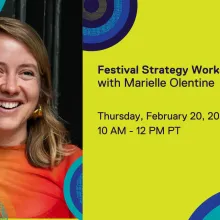
A very small number of film festivals seem to hold an enormous amount of sway over a film’s sales and distribution prospects, as well as the
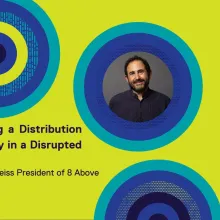
IDA Insight: Creating a Distribution Strategy in a Disrupted World w/Jon Reiss, President of 8 Above
The “traditional” distribution landscape is in a state of disruption - often leaving independent filmmakers on their own to find new and creative
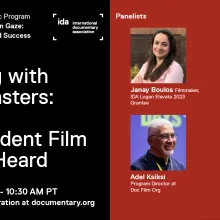
The panel discussion will delve into the differences between television/broadcast content and international festival documentaries, and how funding
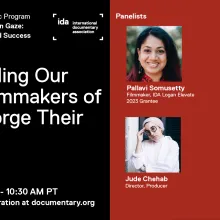
Filmmakers of color often encounter pushback from the industry around how to tell our stories our way. We are nudged to sacrifice our vision, our
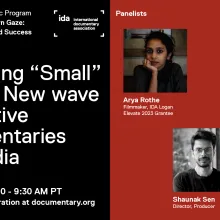
In recent years, “creative documentaries,” especially those from India, have soared to new heights globally, carving out a unique space in world
This series will culminate in a best practices field guide for documentarians and a burner OS that allows makers to ingest, edit, and communicate securely, which will be published in 2024.
Tax incentives can be frightening. Tax incentives can seem like instruments for large scale productions; instruments that have little to do with the independent documentary filmmaker.
What are the ethics of using Deep Fakes to anonymize sources in non-fiction media? What are the layers of consent that require consideration? What are the futures, the risks, and the opportunities of these types of manipulations? What strategies can non-fiction media makers (journalists, documentarians, and artists) implement to navigate the complex landscape of these technologies?