

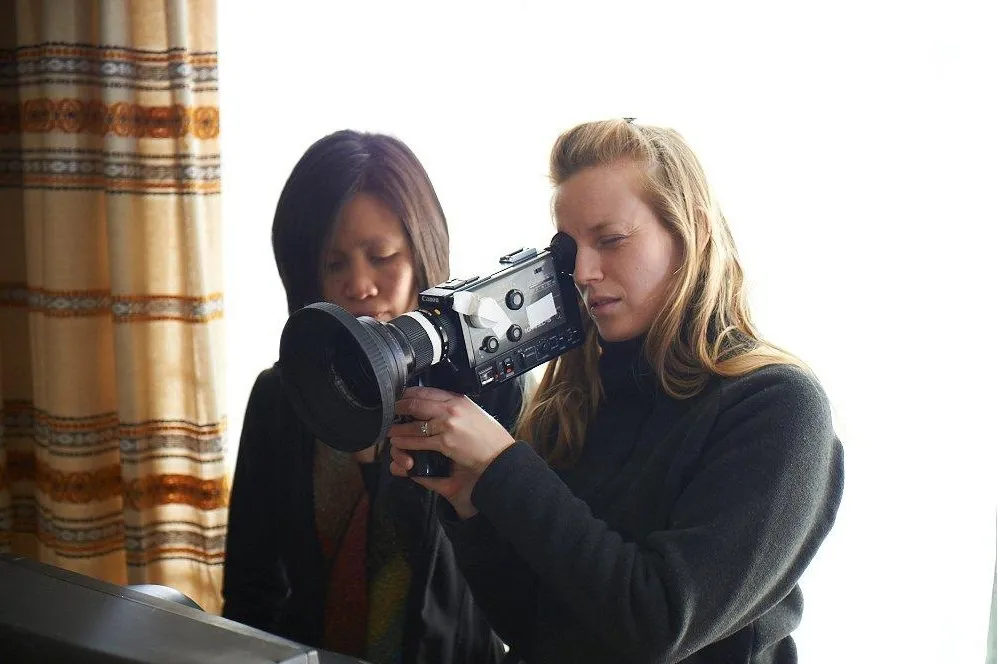

The pioneering American filmmaker William Greaves (1926–2014) produced, directed, shot, and edited more than 100 experimental, documentary, and social issue–based films. His four Emmy nominations cap a lifetime as a successful songwriter, dancer, and actor; he was a member of the Actors Studio and had featured roles in independent, Black-cast movies of the late 1940s.
Column

In July 2021, a letter calling attention to my unlawful and unjust dismissal from my teaching position of 14 years at Boğaziçi University in Istanbul

We are thrilled for the return of Documentary Magazine. For the past 42 years, it has served as a space for dialogue, provocation, and an archive of the documentary form’s power, persistence, and evolution. We want to give thanks to Tom White—who gave shape to the magazine for 22 years—alongside a devoted community of readers and contributors for getting us to this milestone. The magazine was paused for nearly a year following his departure, and issue #2 is presented with Abby Sun as its editor. Abby’s curiosity and intellect are boundless, and we join all of you in anticipation of what future issues will bring.

Dear Readers, This issue returns Documentary Magazine to print after a 10-month pause. At first, the time off from printing allowed us to begin to
Dear Readers, This month, we’ve been hard at work putting together the next print issue of Documentary Magazine , which will be in the mailboxes of
Victoria is a town in Southern Texas, thirty miles from the Gulf of Mexico, with a population of roughly 70,000. Victoria’s thriving Muslim community

Dear Readers, This past month, as violence flares up around the world and we receive more news about ongoing censorship of documentary filmmakers, we
In August 2021, in my work as Director of Film Impact and Innovation at Peace is Loud, I had a conversation with Fork Films’ former Chief Creative

Memphis DiAngelis is a young man in his early 20s, living in Austin, Texas. Like many millennials, he is struggling to find a steady job and reliable
Dear Readers, We are galvanized by the gains for writers (and the precious few documentarians) who are members of WGA made from the new tentative