In 2018, I received the “3 Days in Cannes” pass, which allows passionate lovers of cinema from all nationalities and backgrounds between the ages of 18 and 28 to attend the Festival de Cannes. To get the accreditation, I needed to submit an essay about why I loved cinema, and two weeks before the festival opened, I received an email confirming that I had been selected. But soon, my joy turned to anguish; my pass included neither accommodations nor travel. I was a film festival worker in Mexico, and I used that experience to write about my love for cinema; after all, given the working
Last year, after a string of short-term contracts at a screen institute, short film festivals, and a national public broadcaster, I began a concentrated search for stable employment. Over the course of several months, I met with friends and colleagues who recounted their experiences at cultural institutions in Toronto and beyond, searching for job opportunities at organizations that provided at minimum a living wage, a work-life balance, and emotional fulfillment. Instead, I encountered stories about poor management, few opportunities for growth, long hours with low pay, and practices that were questionable at best. Certain organizations offered better benefits, working groups, or prestige, but it soon became evident that every workplace was plagued with the same baseline issues.
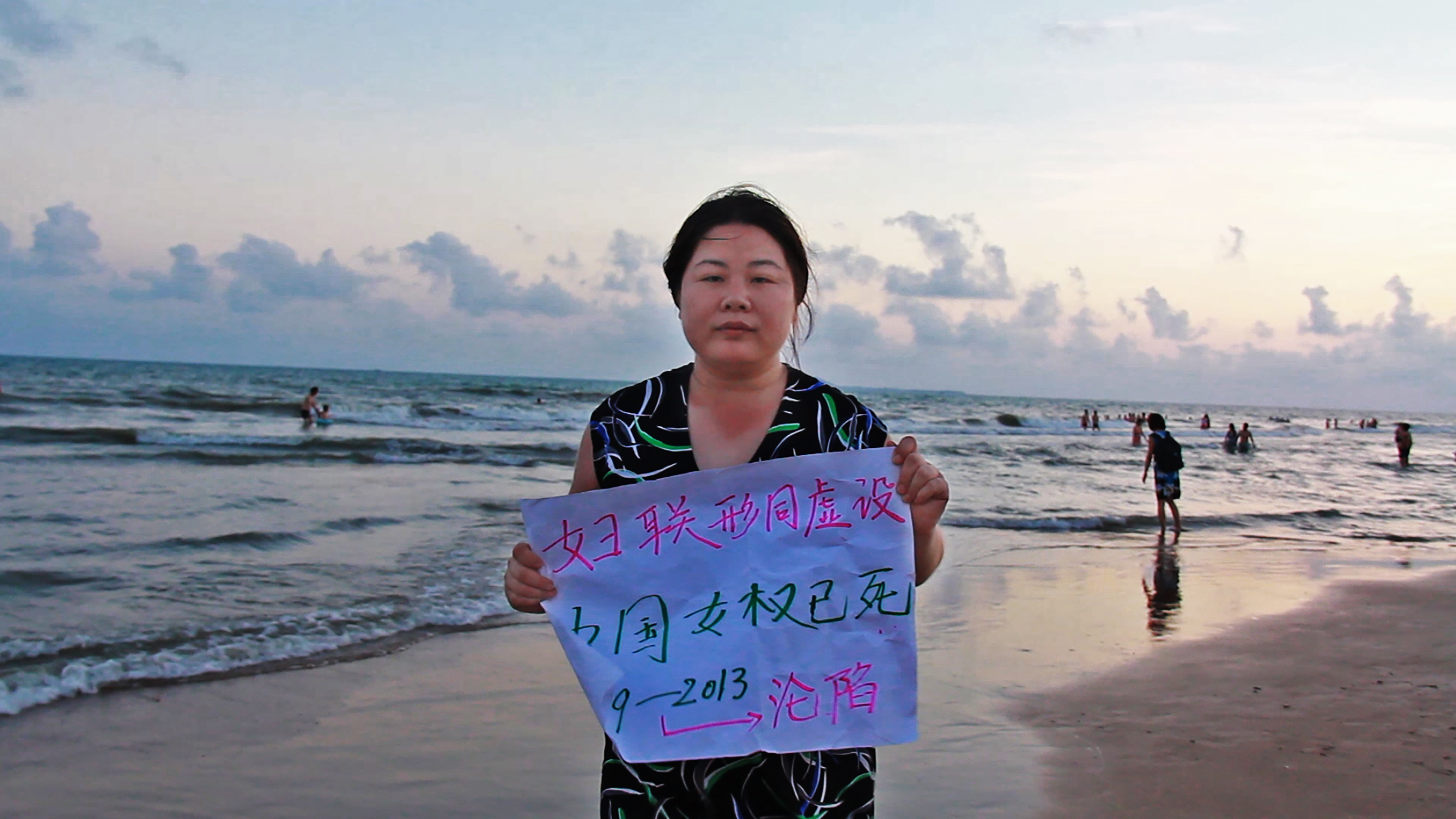
This keynote talk was delivered at Getting Real '22 and was published as part of Documentary's Winter 2023 issue. To view the video recording, click here. I wanted to share with you some stories of my journey of being a documentary filmmaker—particularly the mistakes, the struggles and the failures. Coming to America Before I even began my career, when I came to the US in 2011, I had no idea what a documentary was or what my future would be. I was 26 years old, and all I knew was that I wanted to become a journalist so I could report on the injustice I had witnessed in China. I went to Ohio
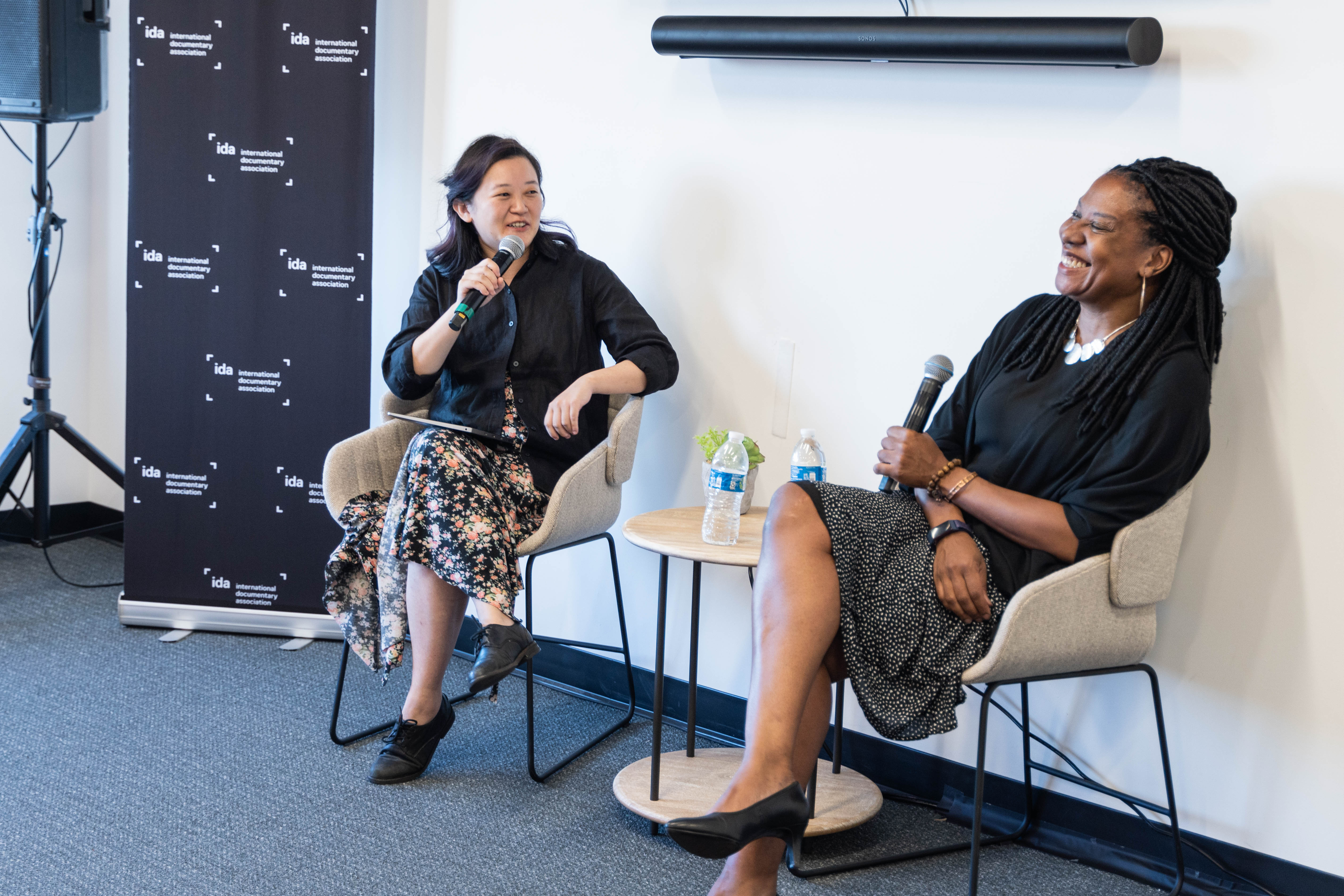
This keynote talk was delivered at Getting Real '22 and was published as part of Documentary's Winter 2023 issue. To view the video recording, which includes a brief Q&A between Erika Dilday and IDA's Director of Artist Programs, Abby Sun, click here. Anyone who wants to make change does not have the luxury of being comfortable. Documentary filmmakers know this better than anyone. Filmmakers go to difficult places, ask difficult questions and even put their lives on the line to deliver to audiences the truths that inform us, enlighten us, and hopefully lead us toward real change. But what else
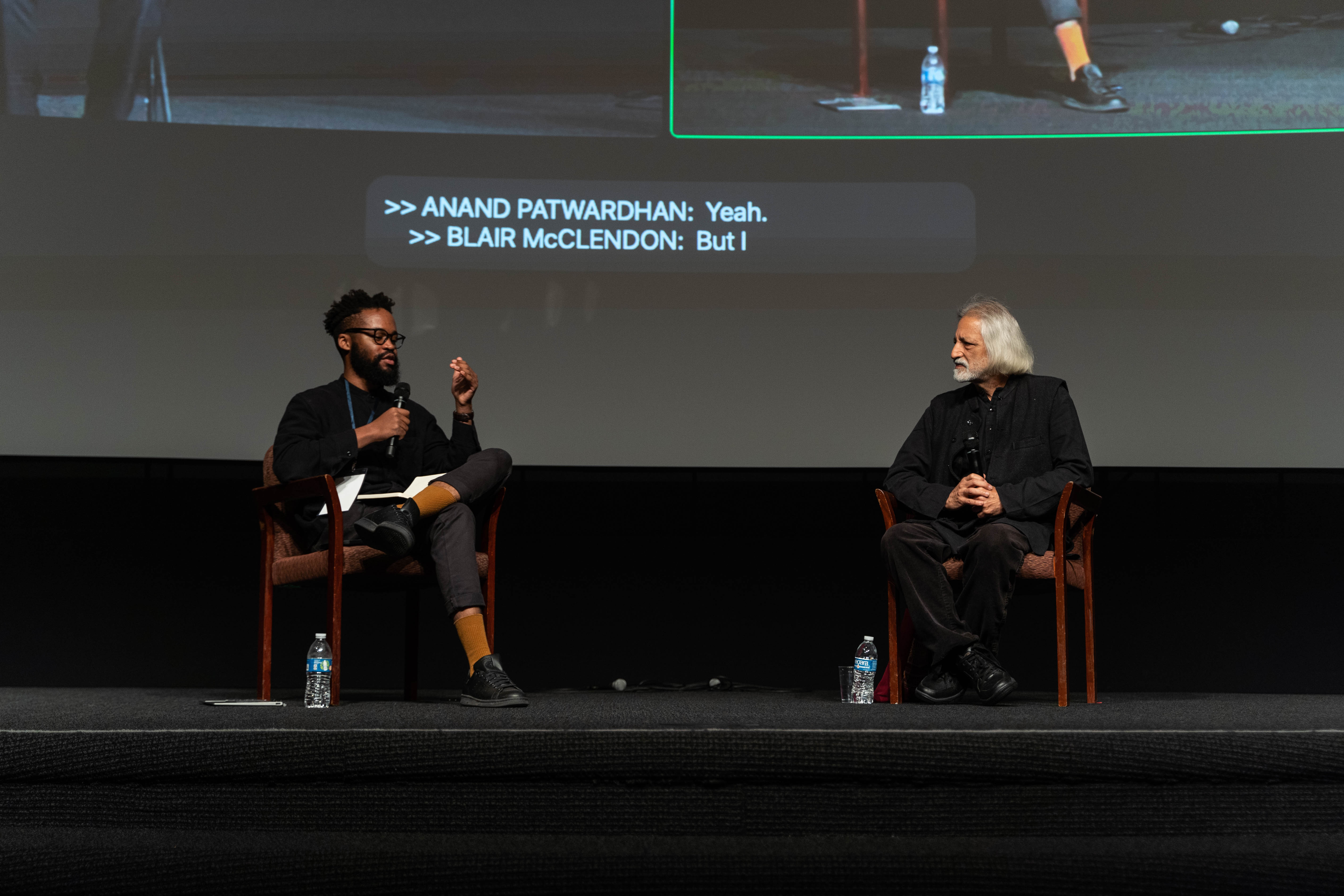
Editor’s Note: Anand Patwardhan, renowned as one of India’s greatest filmmakers, has amassed a considerable body of work over the course of his 50-year career, interrogating the sociopolitical systems that have convulsed India for decades. Patwardhan is the very model of an independent artist—principled about his funding sources, streamlined in his budgeting, focused on the communities he documents. Rather than a keynote address at Getting Real 2022, the programming team devised a keynote conversation with filmmaker/writer Blair McClendon, who generated a stimulating discourse about
Dear Readers, For me, the biennial Getting Real conference has been such a rich and rewarding well of ideas, issues, and themes to draw from, as I continually rethink our editorial strategy—so that we are truly serving the documentary community with a robust palette of content from around the world. Getting Real has always spurred me to consider where we need to go deeper and further as a publication. With that, five of the articles we commissioned here complement the spirit of Getting Real, from different angles. Mariana Sanson talks to the programmatic masterminds behind the conference—Abby
A Letter From Hajnal Molnar-Szakacs, Director of Artist Accelerator Program at Sundance Institute Nonfiction storytellers and their work have been deeply impacted by recent world events, public health crises, and overdue reckonings. The impact on the field has been far-reaching and complex. This has manifested in various ways including the ongoing need to address sustainability, safety, and security, as well as a desire for holistic culture change to make the field more inclusive, accessible, and grounded in values-based ethics-first filmmaking practice. Six years ago, Sundance Institute and
POV, the longest-running showcase of independent documentaries on PBS, turns 35 this year. Its executive producer since May 2021, Erika Dilday, had her hand at the helm of this 35th season. She came to POV from Futuro Media Group, a multimedia journalistic nonprofit committed to telling overlooked stories, where she was CEO. Before that, she was executive director of Maysles Documentary Center. Here she talks about the current season of POV, what her father taught her about diversity, the logistics of scouting for films, and her upcoming keynote address at IDA’s Getting Real 2022 conference
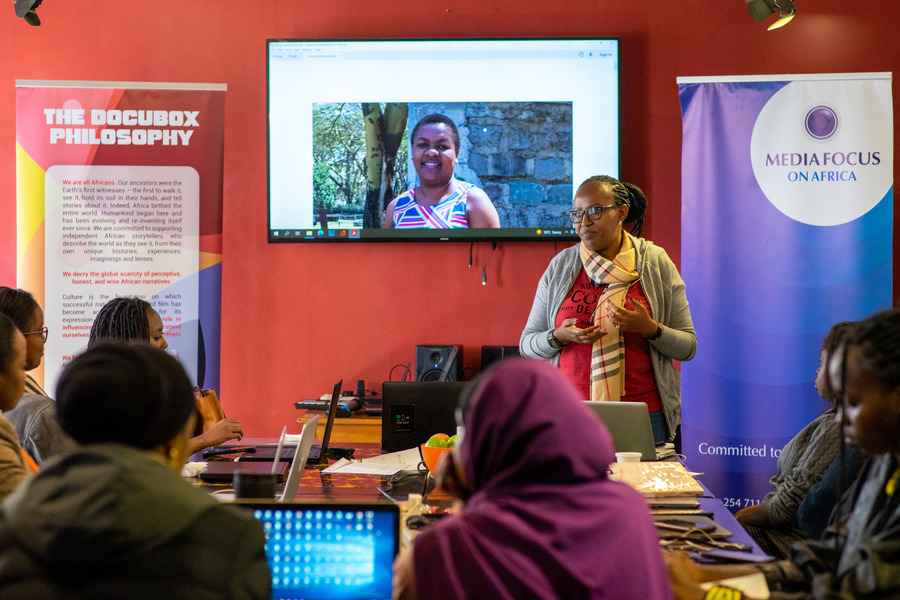
The year 2020 was a pivotal one for Kenyan documentaries—and for Docubox, the East African film fund created by Kenyan filmmaker and administrator Judy Kibinge in 2013. Christopher King and Maia Lekow’s The Letter, one of the recipients of Docubox’s inaugural development and production funding round, was Kenya’s pick for the Academy Award for Best International Film. Even though the film—a poignant investigation of elder abuse in a Kenyan rural community— was not shortlisted, it enjoyed considerable acclaim and was screened at several high-profile film festivals. Softie, another film that
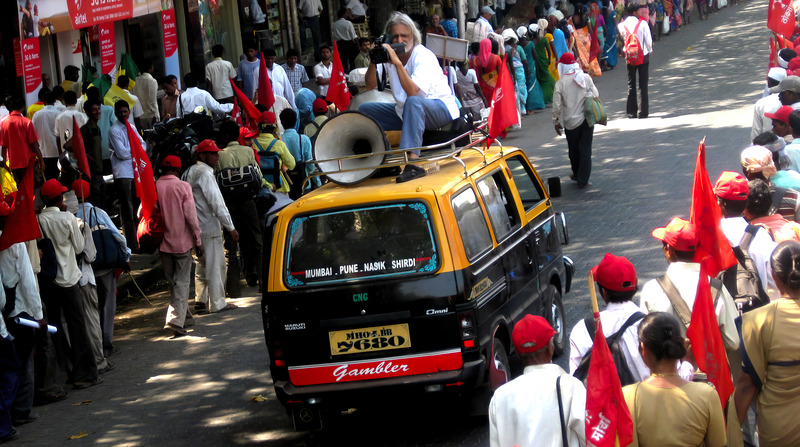
“For more than four decades,” his 2020 New York Times Magazine profile notes, Anand Patwardhan “has been India’s leading documentary filmmaker.” X-rays of Indian modernity, his frequently expressionistic films tug at the frayed edges of an unraveling nation to reveal the threads—of class inequity, casteism, masculinity, religious fundamentalism, and nationalism—that warp and weft through the fabric of what the ruling Bharatiya Janata Party calls the New India. Among other things, Patwardhan has documented a non-violent mass uprising in 1974 that led to the Emergency ( Waves of Revolution)