Moderated by IDA Board Member Stephen Nemeth of Rhino Films, our panel of veteran non-fiction producers will discuss what to expect when producing a doc and how a successful producer gets the entire production team to deliver their best.
Here's What Really Happened
No tweeting. No press. No industry. Filmmakers-only conversations revealing personal insights into the art and business of documentary filmmaking.
“Here’s What Really Happened” are signature sessions from IDA's biennial Getting Real Conference that began as a filmmaker-led solution to combat the lack of transparency that continues to plague the community. These intimate conversations allow filmmakers to speak openly about what actually happened in the production, sales and distribution life of a film. The rules are, everything said in the room, stays in the room. Our goal is to create a safe space for discussion that allows filmmakers to have frank, meaningful discussions without the influence of industry in the room. We believe that one of the greatest resources for a filmmaker is another filmmaker.
In building a more knowledgeable and transparent community together, IDA tours “Here’s What Really Happened” sessions to various festivals and conferences around the world. These private conversations have focused on security/surveillance, sales agents, festival strategies, fact-finding, ethics, work/family life balance, truth-seeking in production, and other themes.
Learn what really happened behind-the-scenes in an upcoming session. It’s personal, it’s intimate, let’s get into it.
Image
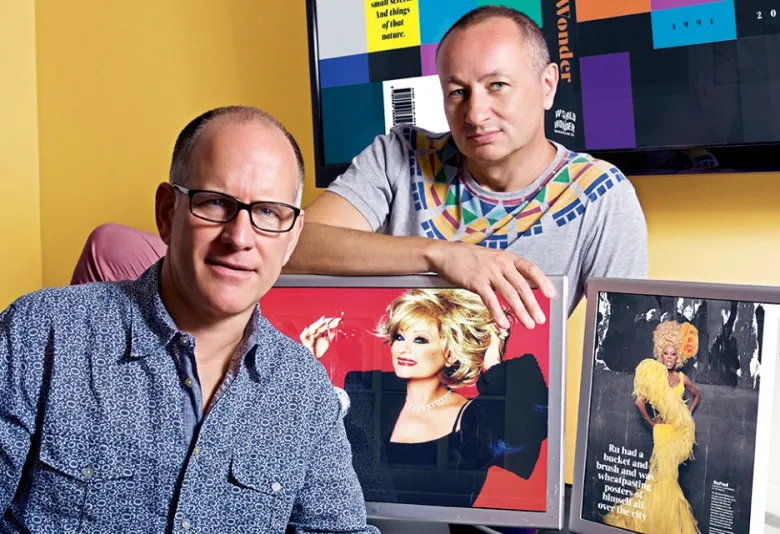
Join producer Eddie Schmidt (Beauty is Embarrassing, Troubadours) for a discussion with Randy and Fenton on the challenges of running a transatlantic production company, crossing genre boundaries, and managing the famous and infamous, while also hosting a cutting edge culture blog with over 300,000 hits per month.
Friday, December 7, 2012 Directors Guild of America 7920 Sunset Blvd. • Los Angeles, 90046 28th Annual IDA Documentary Awards 7:00pm Check-in • 8:00pm Awards CeremonyFollowed by After-Party Spon sored by Canonin the DGA Grand Lobby A&E Reception Honoring Arnold Shapiro (Not included with General
Image
What does it mean to document change? From violent revolution and the fight for basic human rights, to single projects that change a community in multiple ways, more and more documentary filmmakers are finding themselves at the epicenters of a rapidly evolving world.
Image
IDA invites you for a discussion about the benefits and challenges in researching, procuring, and licensing archival footage for your film.
Image
Join doc filmmakers who have traveled the globe and film commissioners whose job it is to make filming in their countries as straightforward as possible, as they discuss the logistics of overseas doc filmmaking.
Image
With these shifting realities, as well as significant cuts in funding to PBS' nonfiction programming from the National Endowment for the Arts, what does the future hold for independent documentary films and public broadcasting? What can you do to impact the decisions and changes being made right now?
"Can I see your trailer?" A fundraising trailer can make or break your film. Stop the guess work of what works and what doesn't with this full-day workshop for producers, directors, writers and editors.
Image
With the growing popularity of documentary film, many have admirably seized on the power of non-fiction storytelling to affect change around social and political issues. But in all the discussion about content and impact, have we forgotten to explore documentary as cinema, as art? In a lively conversation about how they mobilize aesthetic choices to generate meaning, filmmakers discuss stylistic strategies, creative inspirations, story structure, and the tension between form and content.
Image
Join moderator Lisa Leeman (One Lucky Elephant, Crazy Wisdom: The Life and Times of Chogyam Trunga) as we look at case studies from filmmakers working in the field and hear from industry experts on the best practices of accounting and business management, with a focus on the impact and things to know when filing your taxes.