Lucrecia Martel’s feature documentary debut, Our Land, is a culmination of the filmmaker’s long-running interests in the twinned concepts of land
Cinematography
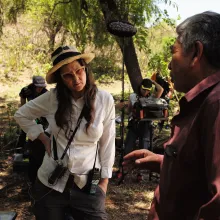
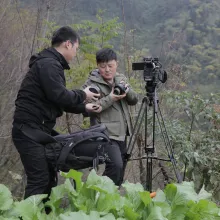
The Whispers in May and After the Rain cinematographer breaks down why he deems his close-to-30-pound bag indispensable
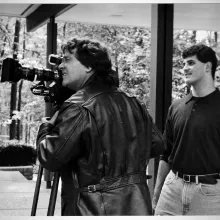
A friend and colleague pays tribute to the late cinematographer and director who worked on Gimme Shelter, Harlan County, USA, and more
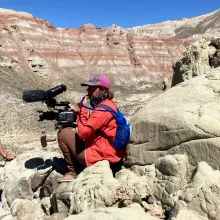
The Citizenfour cinematographer and Flood director on her “simple and vital” camera bag philosophy
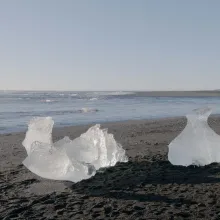
Nikolaus Geyrhalter on shooting Melt across four continents, his adoption of new imaging technologies, and why he won’t call it a climate film
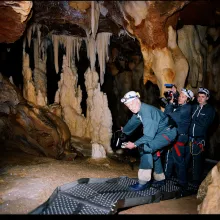
In this interview, Werner Herzog reflects on his award-winning documentary Cave of Forgotten Dreams , which is back on the big screen in a 6K
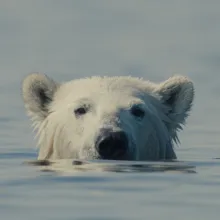
In this interview, filmmakers Jack Weisman and Gabriela Osio Vanden talk about turning their 14-minute short into the Sundance-premiering feature
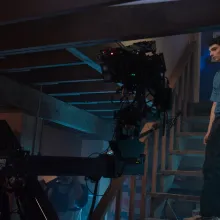
In this interview, Martina Radwan talks about how she let curiosity drive the filmmaking of One Last Adventure: The Making of Stranger Things 5
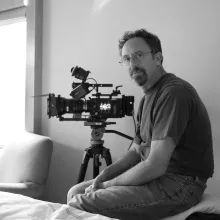
A former collaborator pays tribute to the late cinematographer of Waiting for “Superman” and He Named Me Malala, who also founded DC Camera
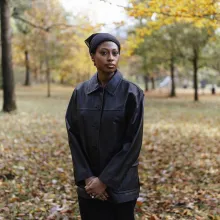
Brittany Shyne’s debut feature, Seeds, frames with dignity and grace the lives of Centennial Black farmers