
The construction of subjectivity in first-person documentary is given serious consideration in The Cinema of Me: The Self and Subjectivity in First
Personal Docs
In this interview, the filmmakers behind The End of Times talk about using AI to reimagine our ways of thinking about family, memory, and history
In this interview, codirectors Bàrbara Mestanza and Marc Pujolar discuss finding healing and closure from a sexual assault in their Sheffield DocFest
In this interview, filmmaker Taylor Hosking talks about growing up on the Upper West Side of Manhattan and documenting the lost history of her
At the 60th edition of the Czech film festival, nonfiction storytellers called into question documentary’s ability to conjure proximity with its
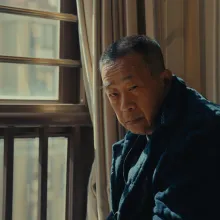
In this interview, filmmaker Vee Shi discusses Time and Tide, his reticence toward making a documentary about his parents, and grappling with shifting
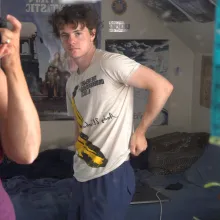
In this interview, visual artist Amy Jenkins and her son and collaborator, Adam Sieswerda, talk about working together on their trans coming-of-age
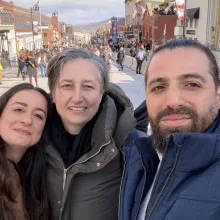
In this behind-the-scenes peek, journalist-turned-filmmaker Janay Boulos details how the idea for an urgent, political project about Lebanon became
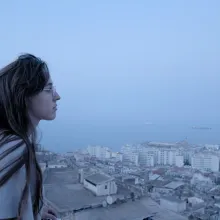
In this interview, the filmmakers behind a personal doc that unearths the fraught shared history between France and Algeria talk about the parallels
On documentary, social practice, and learning from the educational obligation they share