

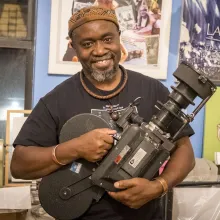
In this interview, Getting Real ’26 keynote speaker Petna Ndaliko Katondolo discusses the practice of ancestral ecology storytelling and using
African Media
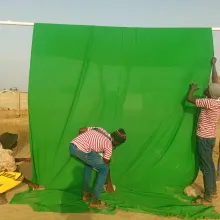
With their DIY sci-fi shorts, The Critics built a film career from scratch in Kaduna. Co-directed by Pietra Brettkelly, their documentary portrait
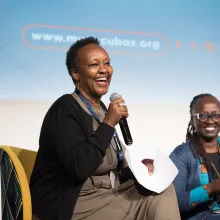
After stepping down from running DocuBox, founder Judy Kibinge reflects back on her 13-year tenure at the Kenya-based East Africa documentary fund
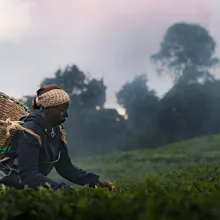
Bea Wangondu and Andrew H. Brown on what to translate and what to keep sacred in their Sundance-premiering Kikuyu Land
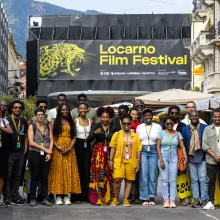
The venerable Swiss festival featured its usual boundary-pushing works alongside industry activities that showcased documentary’s capacity to adapt
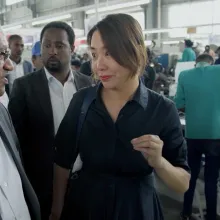
In Made in Ethiopia, filmmakers Xinyan Yu and Max Duncan tackle a topical behemoth through the intimate lens of three women on the precipice of change. Made in Ethiopia explores the complexities of the characters’ search for prosperity, while also reflecting the filmmakers’ own quest for balance in telling a nuanced story. In a conversation with Documentary, directors Yu and Duncan discuss how they navigated these challenges.
Sundance is a unique crossroads of industry and independence, where you are able to be surprised by films that you didn’t see coming—films that often end up disrupting the film industry’s ideas of marketability, contending for awards and being placed on all sorts of year-end lists, if they’re able to find the right support. As Sundance Film Festival looks to a future away from Park City, looking into questions of location, land, capital, culture, and evolution, I find myself attracted to the films in the 2025 lineup that seek context and answers to these same questions: Move Ya Body: The Birth of House, BLKNWS: Terms & Conditions, Seeds, Free Leonard Peltier, and Khartoum.
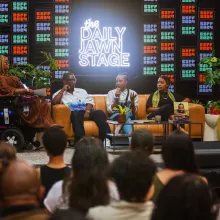
The intimacy and intricate care that BlackStar puts into the organization and accessibility of its annual film festival make it feel like a deeply considered project brought together by so many experienced and attentive organizers. The ability to facilitate joy and safety in a gathering can create exponential space for growth, a bending of space-time that gives folks true time to be free and travel across waves of distant visions. Amidst all the vibrancy and energy of the people of BlackStar, I tried to see as many films as possible and will mention here films that I saw for the first time with audiences. Like the talks, the focus of many of the films was survivorship—they asked how we propel ourselves through truth and ethical pursuit in an age of disintegration and global instability.

If you don’t already know what the Swahili word amani means, we won’t spoil it here, as Nicole Gormley and Debra Aroko’s Searching for Amani treats it
On Christmas Eve of 1989, a pregnant mother of nine named Imelda Bbaale was inexplicably shot and killed in her home. It was a shocking tragedy that