

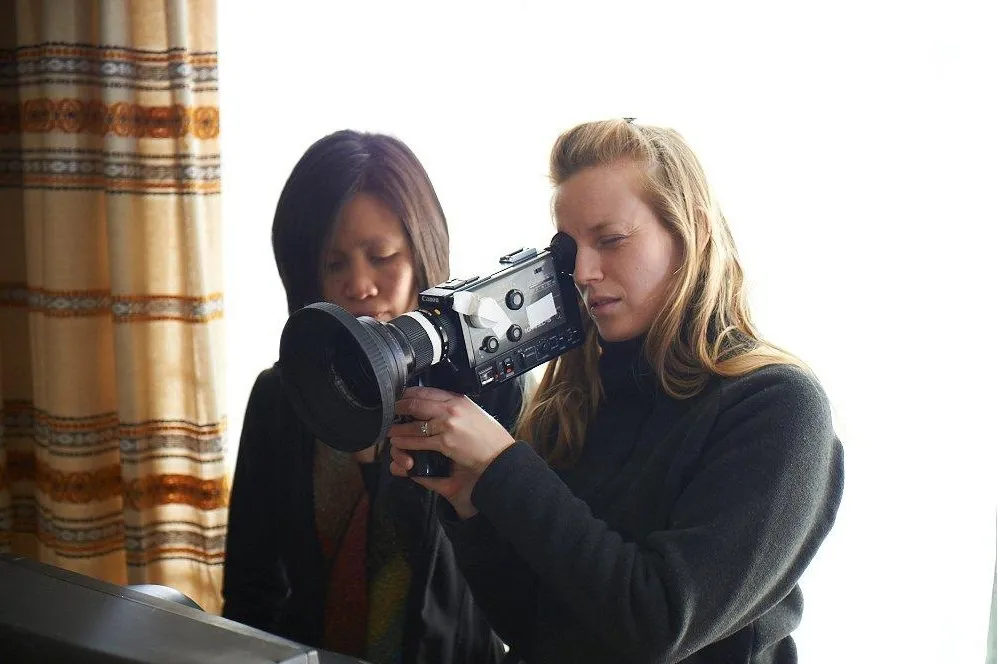
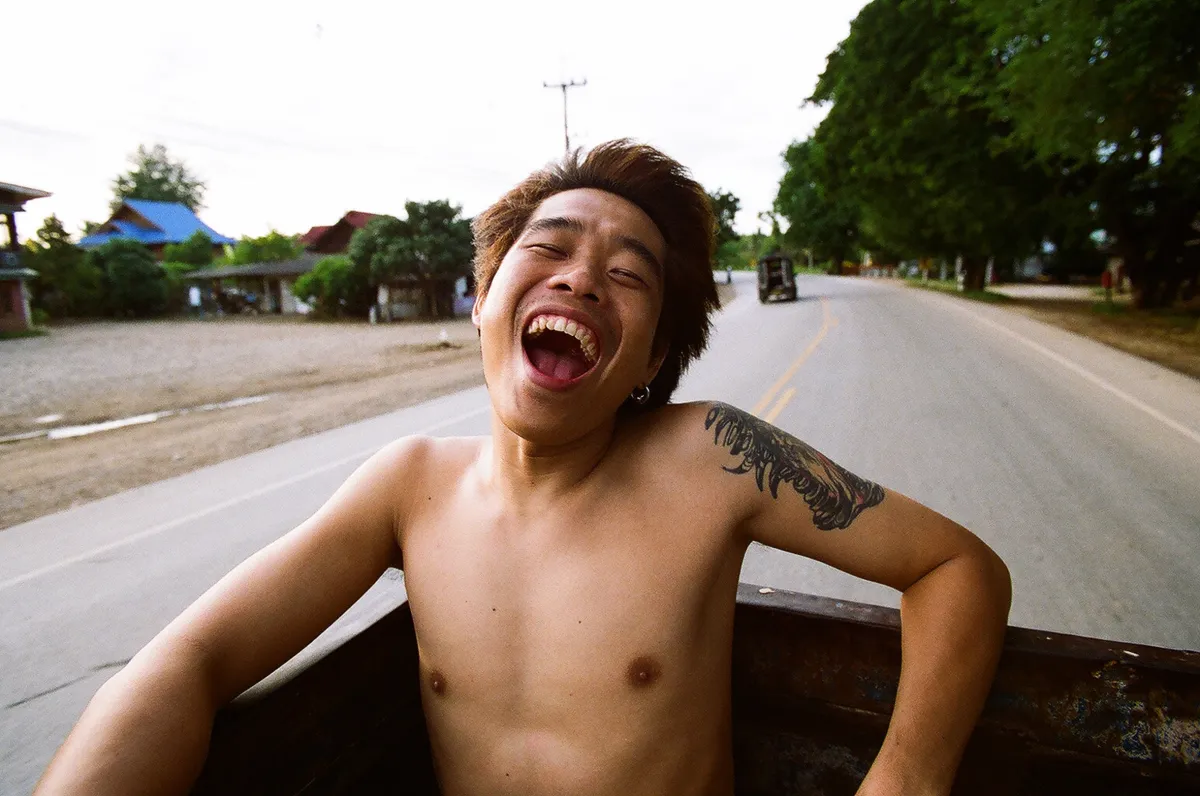
On the brink of America’s bicentennial, two filmmakers, a then-couple, filmed their cross-country road trips from the backseat of a car. The United States of America (1975) is the 27-minute product of these journeys and directors Bette Gordon and James Benning’s third and final collaboration. This short film typified the structuralist movement of avant-garde filmmaking, while also establishing documentary strategies that carry over to today.
Online Feature
Alanis Obomsawin is one of the most important artists in the history of Canadian cinema, a major influence both on the country’s mode of documentary filmmaking and on the way its film business incorporates the voices of people from the First Nations. In 2022, Richard Hill and Hila Peleg curated the exhibition 'Alanis Obomsawin: The Children Have to Hear Another Story.' We spoke with Obomsawin about the exhibition, her films, and her practices of listening and storytelling.
As a reviewer for a couple of documentary grants, the process is a lovely way to learn more about what stories my peers are exploring, what styles and
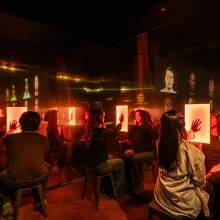
It’s only us; there’s no them. That’s the provocation at Tribeca’s 2025 Immersive exhibition, titled In Search of Us, mounted in partnership with Onassis ONX and Agog. The exhibit seeks to challenge the act of othering that is so entrenched in media landscapes with “us vs. them” ideologies. About half of the show is comprised of documentary or documentary-adjacent work. This dispatch includes review of four exemplary nonfiction works.
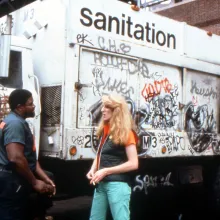
Maintenance Artist, directed by Toby Perl Freilich, is a fascinating look at Mierle Ukeles—an undeterred feminist and advocate for the working class who constantly defied labels. Just prior to the film’s documentary competition debut, Documentary caught up with Freilich to learn how she ended up collaborating with this unconventional and unusually empathetic character.
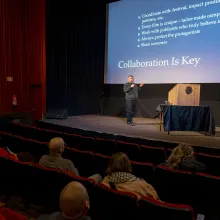
This article is a condensed and slightly adapted version of a talk I delivered on June 8, during the Skjaldborg documentary film festival in Patreksfjörður, Iceland, titled “The Press Playbook: How To Get Your Doc in the Spotlight.” What follows reflects both the structure and tone of that session—direct, personal, and grounded in real-world practice.

The documentary world lost a bright light on April 12, when Andrea Blaugrund Nevins died of breast cancer. Nancy Kates details her legacy as a tenacious, compassionate filmmaker who brought her optimism to every project.
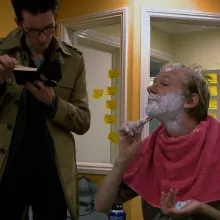
It is all too easy to overlook nonfiction film at Cannes, where documentary is, if you go by institutional classification, largely a vehicle for chronicling the history of cinema. This year, the most compelling documentaries were found in the parallel festival showcases. The winner of the Œil d’Or (Golden Eye for the best documentary at Cannes) Imago, from Deni Oumar Pitsaev, was in Critics’ Week. Likewise, ACID had the most formally challenging documentary this year at Cannes, Sepideh Farsi’s Put Your Soul on Your Hand and Walk, and it was Directors’ Fortnight that premiered a Ukraine documentary with stunning and often inventive cinematography, Militantropos, by the Tabor Collective.
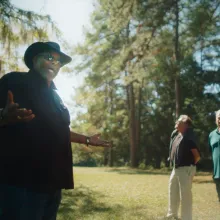
Suzannah Herbert’s Natchez is a multilayered, character-driven look at the titular town in Mississippi (U.S.), which is wholly dependent on a declining industry. In this case, the manufacturing is of whitewashed tales that have turned into hardened history. For generations, Natchez has been financially dependent on its antebellum tourism industry, in which hoop-skirted docents in grand mansions regale visitors with, as one knowing character puts it, a “Southern construct” that’s “used to sell tickets.” Just prior to the film’s Tribeca Documentary Competition premiere, Documentary caught up with Herbert (Wrestle) to learn all about her stellar sophomore feature. Last week, Tribeca announced that Natchez won not only the best documentary feature prize but also special jury awards for cinematography (to Noah Collier) and editing (Pablo Proenza).
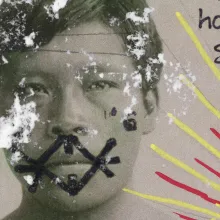
Close to the start of her hypnotic documentary The Memory of Butterflies, director Tatiana Fuentes Sadowski describes the moment that inspired the film. While looking through a selection of propaganda images taken by a company operating in the Amazon during the late 19th-century rubber boom, Sadowski came across a posed portrait of two young Indigenous men. In the image, the pair stands hand in hand dressed in Western clothes, stiff suits and ties, gazing at the camera with solemn, unreadable expressions: Omarino and Aredomi. Documentary spoke to Sadowski shortly after the film’s premiere at the Berlinale, where the documentary jury awarded the film a special mention, about the ethics of colonial archive, cinematic speculation, and sound as a threshold. This interview has been edited for length and clarity.