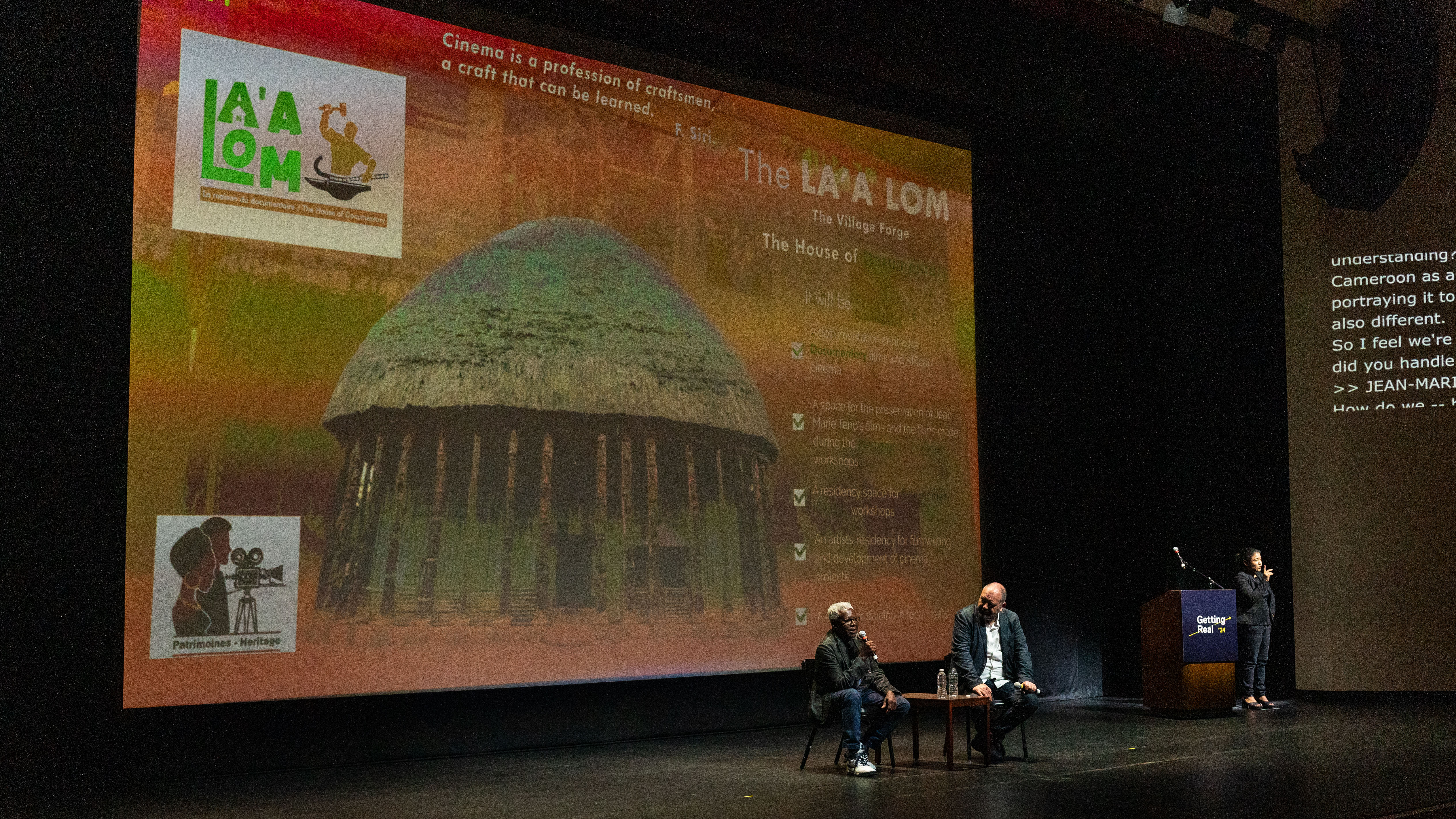
Jean-Marie Teno is Africa’s preeminent documentary filmmaker. With a critical eye and a sharp wit, he questions the established truth, exposes the censored stories, and examines the past to comprehend the complex realities of Africa’s present. Teno’s films have been honored at festivals worldwide, and he has been a guest of the Flaherty Seminar, an artist in residence at CalArts and the Pacific Film Archives in Berkeley, and a lecturer at many universities. He is a member of the Academy of Motion Picture Arts and Sciences’ documentary branch. Teno’s best-known film is Africa, I Will Fleece You
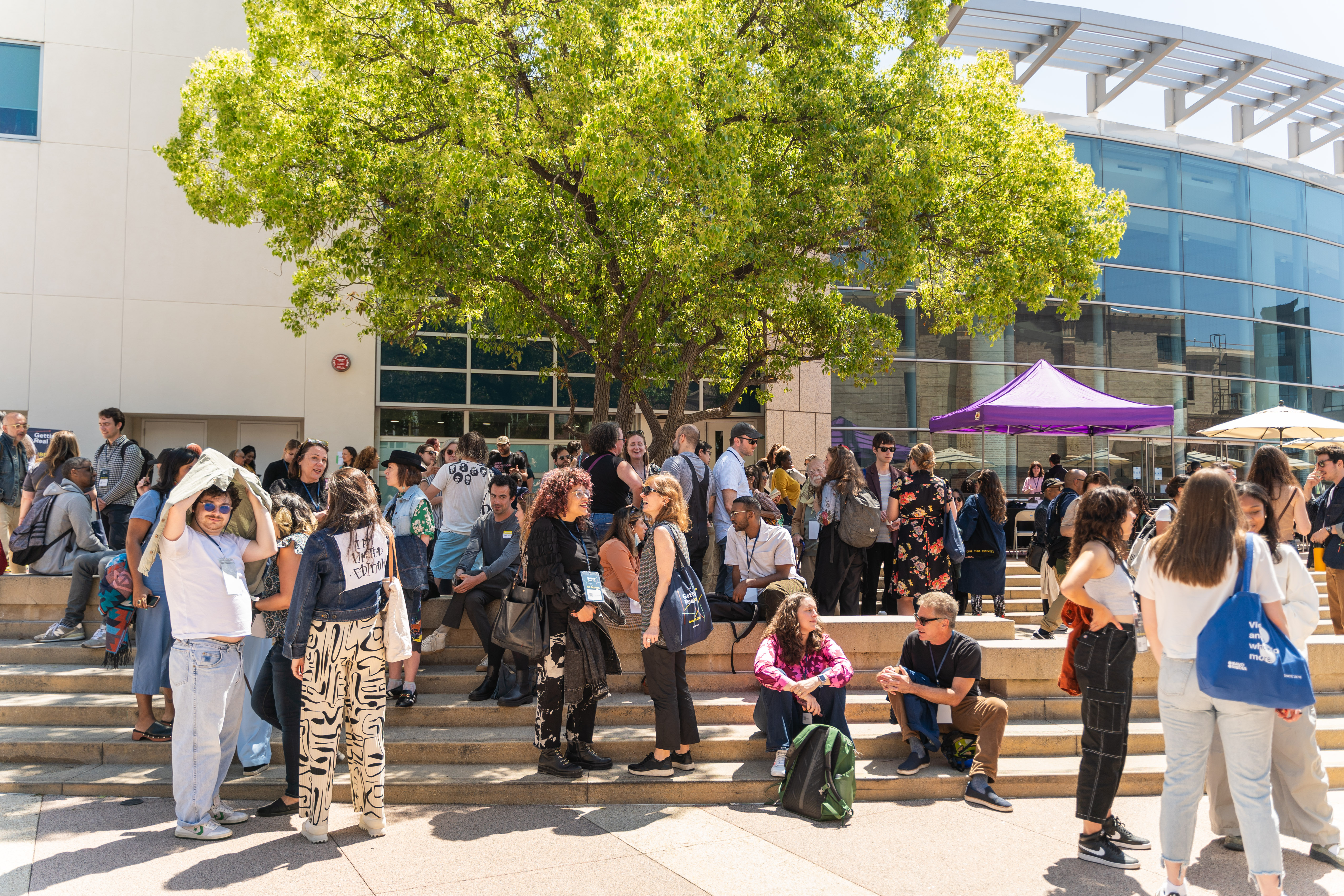
Amid industry disruption, filmmakers search for marketing and data solutions in community.
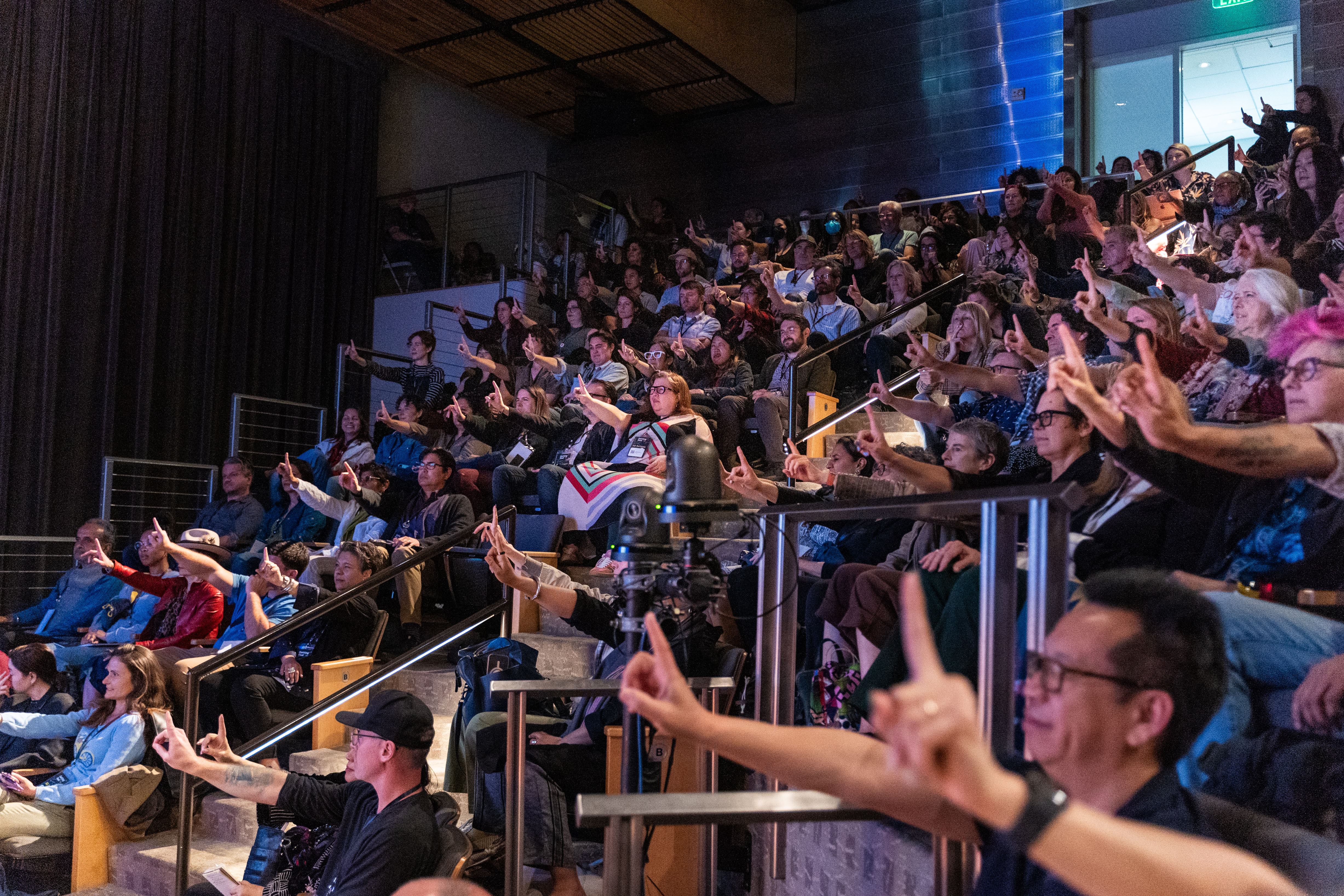
In a world rent asunder, conference speakers thrust documentary ethics into reality.
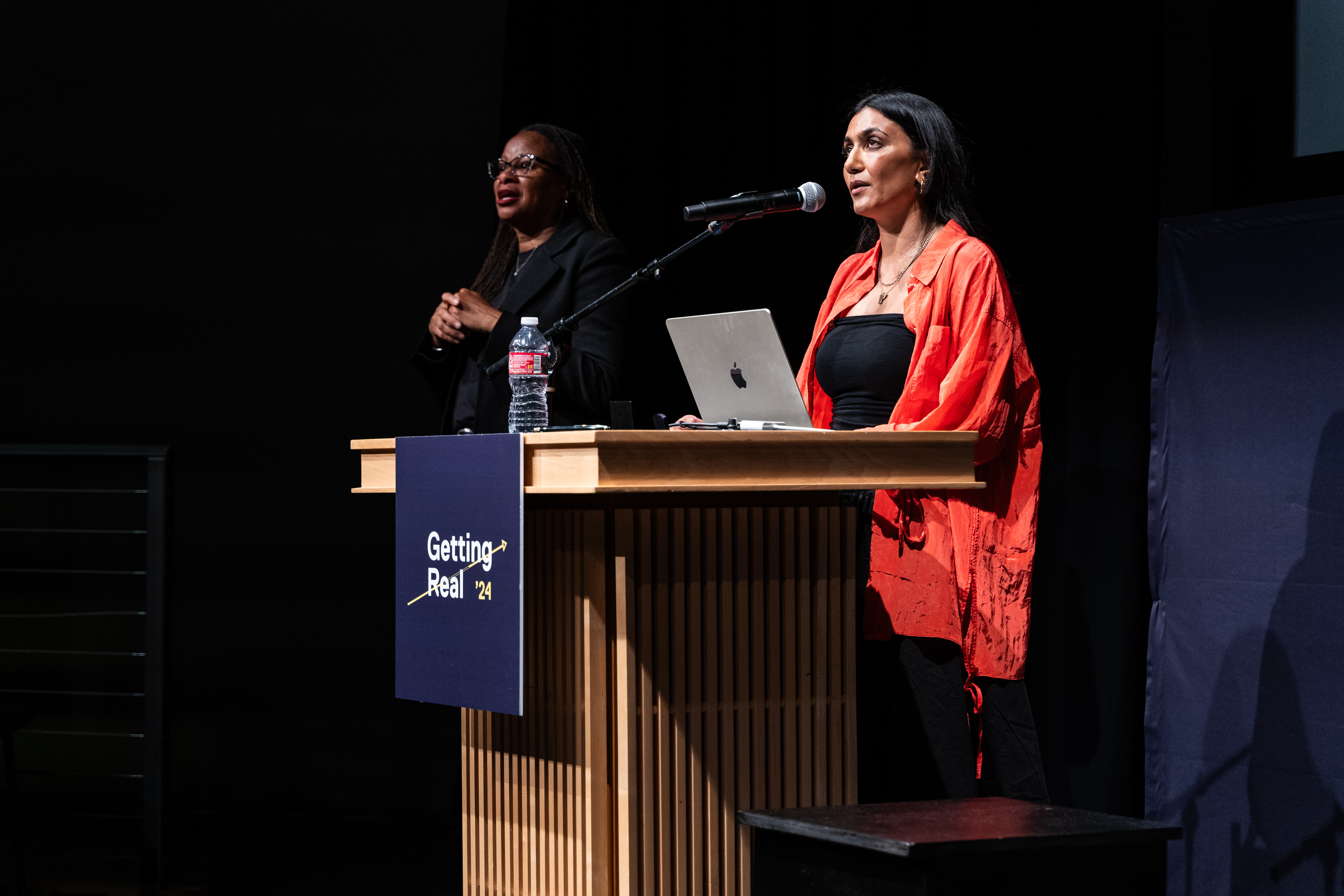
Jemma Desai’s keynote address at Getting Real 2024 delves deeply into the ethical and existential challenges faced by cultural workers, particularly in the realm of documentary filmmaking, against the backdrop of global conflicts, notably the ongoing crisis in Palestine: “I have chosen to speak about integrity and so I cannot speak about anything but Palestine.” Her reflections resonate beyond the specific context of film, challenging all cultural workers to consider their role in shaping narratives that affirm human dignity and confront systemic injustices.
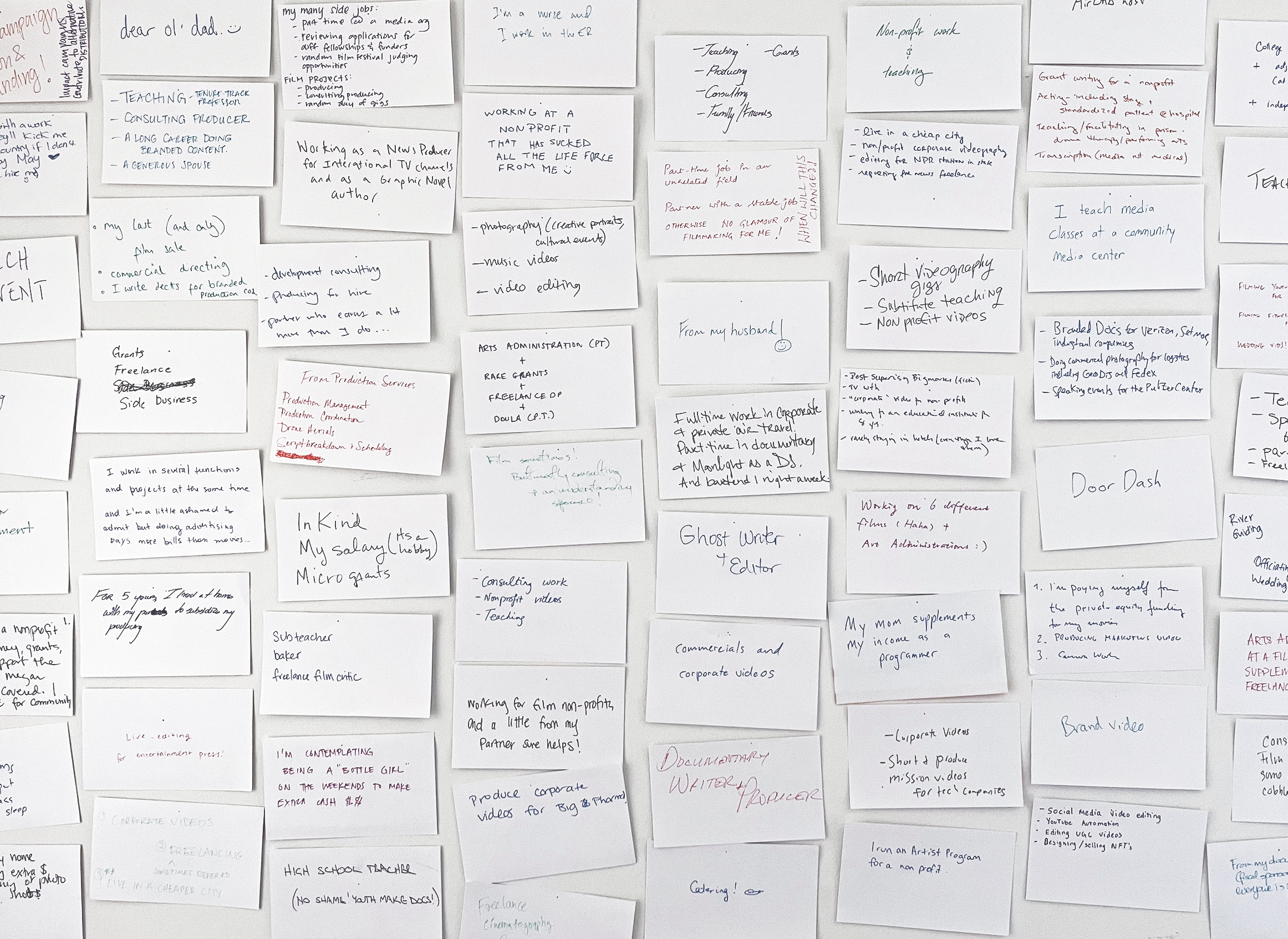
Whether we are unemployed creatives, overwhelmed freelancers, or underpaid employees, it can often seem like everyone else has figured it out. Social media is a constant stream of people announcing new jobs, festival screenings, and prestigious grants and awards. Yet more often than not, the filmmaker who had the big premiere, received all the accolades, and even successfully sold their film is still struggling to get by, just like the rest of us. So how are filmmakers actually making a living?
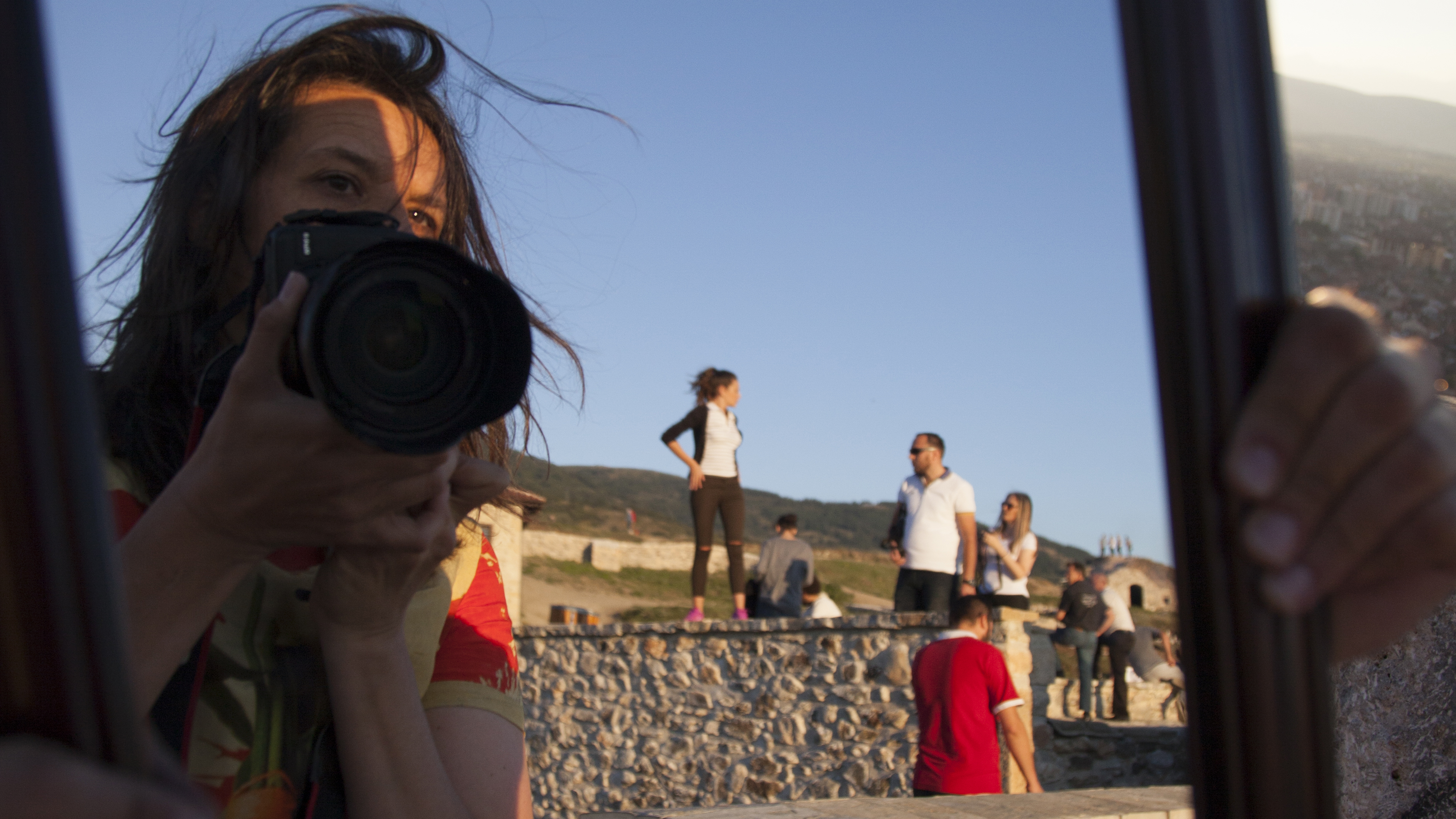
Kirsten Johnson has been a cinematographer and director since the 1980s. Her acclaimed films as a director include The Above (short, 2015) , Cameraperson (2016) , and Dick Johnson Is Dead (2020), all of which grapple with the meaning behind making images, their utility in conveying reality, and the strength of documentary images as visual evidence. For this interview, Documentary asked longtime archival producer and producer Stephanie Jenkins ( Muhammad Ali , 2021) to catch up with Johnson via Zoom. As a co-founder of the newly formed Archival Producers Alliance, whose other organizers are
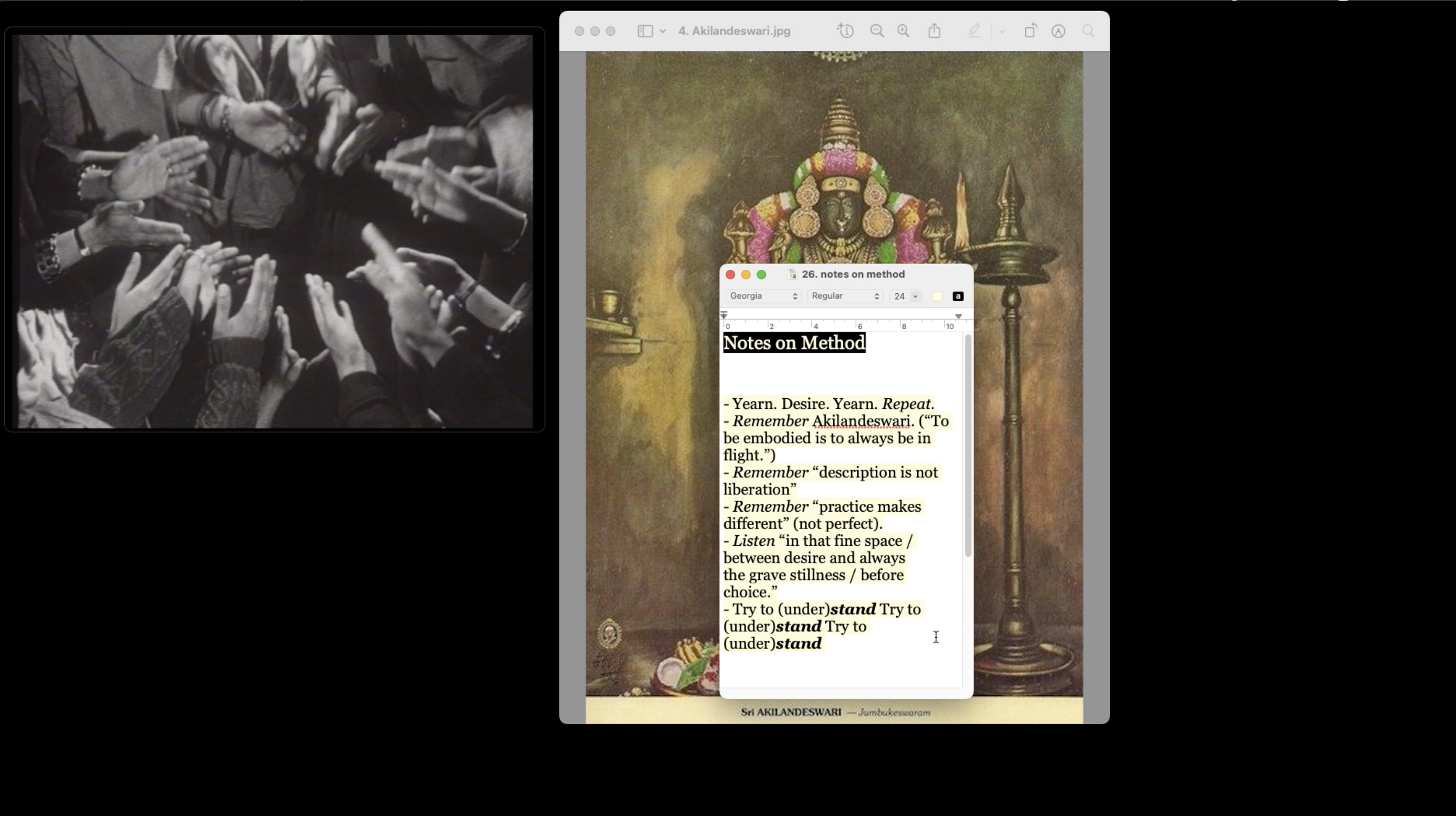
Over the years, Jemma Desai’s writing, programming, research, and practice have intersected with institutional critique. Through investigating film institutions’ languages of colonialism, she’s brought renewed attention to hierarchies, systems, words, and ways of relating that are often taken for granted. Born out of a combination of rigorous research, firsthand experience working in institutions such as the British Council and the BFI, as well as testimonies by other arts workers, This Work Isn’t for Us (first self-published in 2020) was a crucially timely study of the fundamental problems
An interview with two organizers of the Archival Producers Alliance on how AI will shake up the nature of archival footage For the first decades of this century there was, relatively speaking, intermittent media coverage of Artificial Intelligence or how deep learning and related technologies were creeping into aspects of work, culture, and society. But then in late 2022, OpenAI released the large language model ChatGPT to the public—and stories about AI exploded. Subsequently, the coverage around AI in the last year or so has reached a point of fatigue, even satire: “It’s AI” has become a
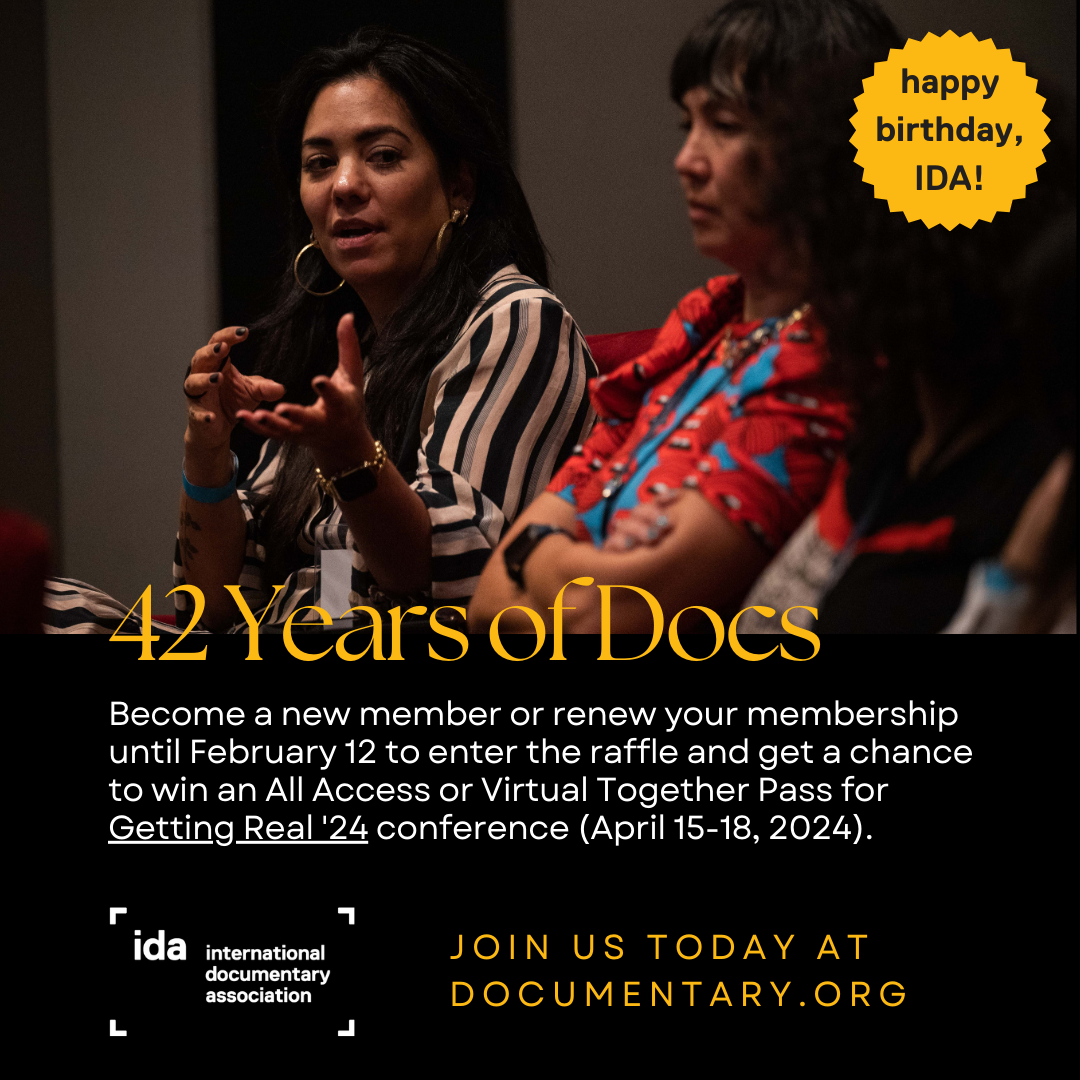
"It's about time there was an organization just for us. An organization whose sole purpose is ‘to encourage and to honor the documentary arts and sciences; to promote nonfiction film and video; to support the efforts of nonfiction film and video makers all over the world." Excerpt from the invitation letter sent out by Linda Buzell to the documentary community in 1982. 42 years ago, on February 6, 1982, in Los Angeles, 75 members of the documentary field convened for the first meeting of what would become the International Documentary Association. The meeting stemmed from a grassroots appeal
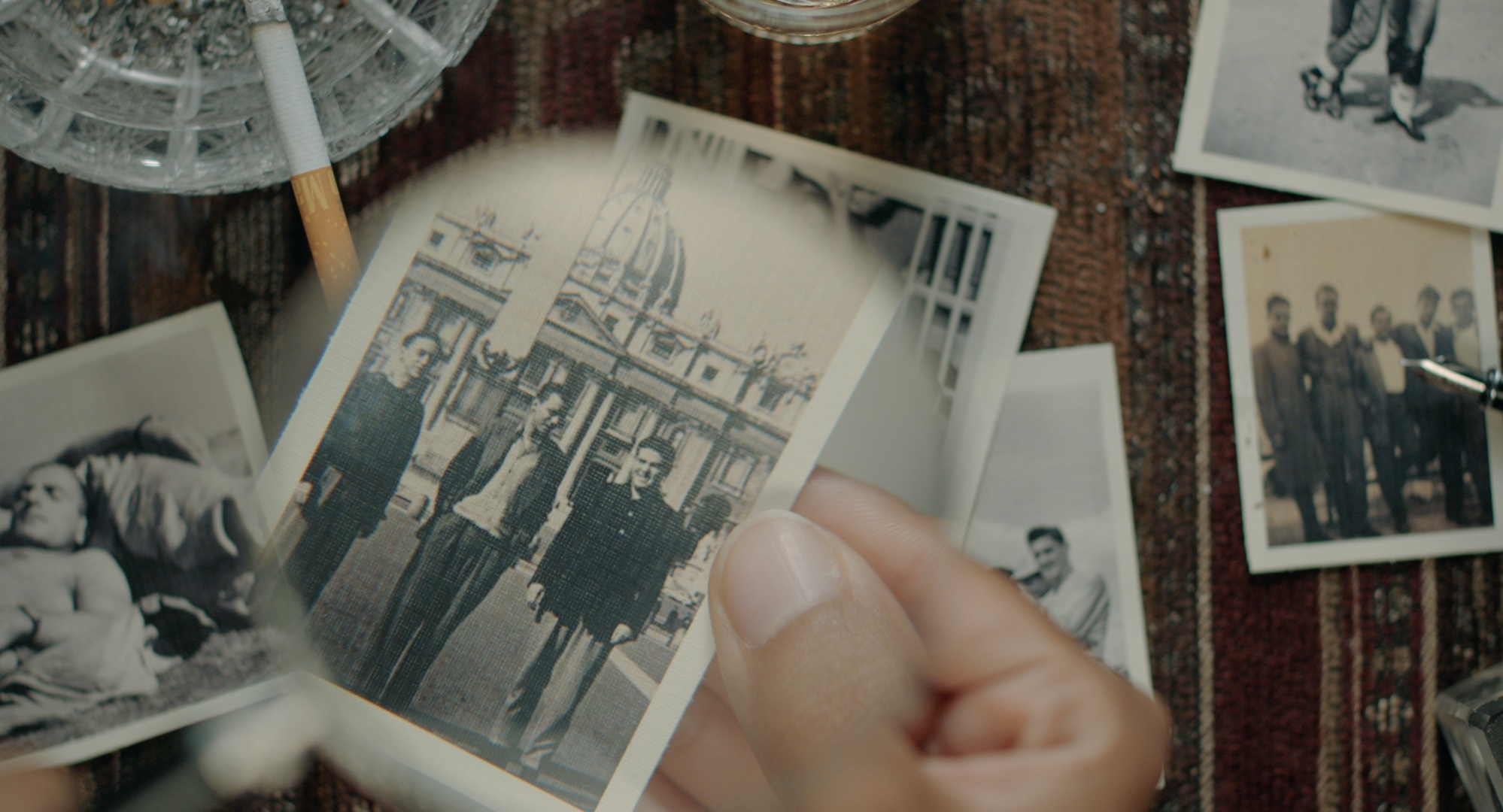
This year’s Getting Real conference was marked by a constant debate around ethical choices in documentary filmmaking. Every aspect of the process was assessed: not only the role of filmmakers but also those of editors, producers, and funders were subjected to critical scrutiny. Even the rights of documentary participants had a space to be debated. But there was a missing link: without deep discussions around actual films that everybody in the room had seen, how could we evaluate documentary ethics from the standpoint of the viewer? In his classic book Le documentaire, un autre cinéma, French