
It seems like the world wakes up to new information about artificial intelligence technology every day. From the lawsuits over the use of unlicensed works to train AI models, to the controversies that arise from late actors’ resurrections in Hollywood’s biggest franchises, it’s easy to see how the use of artificial intelligence can be daunting to filmmakers. To help filmmakers navigate through the tricky waters of AI, our firm has compiled a few items of practical advice that we believe can be helpful to documentary filmmakers who want to utilize AI in a cautious yet effective manner. And although these tips are based on U.S. law, we’re hopeful that their practical nature will benefit filmmakers in international jurisdictions as well.
Latest Posts

Billy Shebar is an Emmy-nominated filmmaker whose feature documentary Monk in Pieces was an official selection and Teddy Award nominee at the 2025 Berlinale and will be released in U.S. theaters starting July 24th. He is also known for High Noon on the Waterfront (2022), with voiceovers by John Turturro and Edward Norton, which premiered at the Telluride Film Festival and was broadcast on TCM and HBO; and Dark Matter (2007), starring Meryl Streep, which won the Alfred P. Sloan Prize at Sundance. Billy collaborated with animator Bill Plympton on The New York Times viral web series Trump Bites
Joel DeMott, renowned cinema vérité filmmaker, died on June 13, 2025. DeMott is best known for her films Seventeen (1983), which she co-directed with Jeff Kreines, and Demon Lover Diary (1980). Alongside Kreines, DeMott created a model of intimate cinema vérité filmmaking that has inspired countless filmmakers.

Red Light to Limelight strikes a fine balance between the tragic stories of individual sex workers in Kolkata’s Kalighat red light neighborhood and the joyous community activity of filmmaking. Bipuljit Basu’s documentary follows CAM ON, a film production collective set up by these women and their children, as they conceptualize and shoot the (fictional) short film Nupur, blurring the lines between their reality and the artifice they’re engaging in. Basu told Documentary about the importance of community co-creation, gaining his subjects’ trust, and arriving at the film’s look. This interview has been edited for length and clarity.
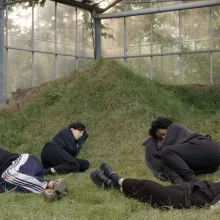
Slovakia’s guča films and Portugal’s Kino Rebelde have shared with Documentary Magazine an exclusive first clip from Action Item, the sophomore feature-length documentary by filmmaker and visual artist Paula Ďurinová (Lapilli). It will screen in the Proxima Competition at the 59th Karlovy Vary International Film Festival (July 4–12) and concurrently in the International Competition at the 36th edition of FIDMarseille (July 8–13).
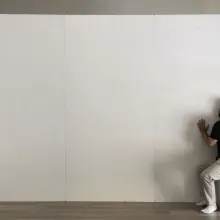
Alaa Minawi’s The Liminal gives an alternative definition of “immersive” from the typical technological, digital one. In his practice, the Palestinian-Lebanese-Dutch interdisciplinary artist explores the possibilities of merging installation and performance art. The Liminal—the first part of his speculative series about Arabfuturism—is a 3.5-meter wall with 24 speakers placed inside, programmed to take the audience on a listening journey.

In Made in Ethiopia, filmmakers Xinyan Yu and Max Duncan tackle a topical behemoth through the intimate lens of three women on the precipice of change. Made in Ethiopia explores the complexities of the characters’ search for prosperity, while also reflecting the filmmakers’ own quest for balance in telling a nuanced story. In a conversation with Documentary, directors Yu and Duncan discuss how they navigated these challenges.

Brown Girls Doc Mafia, commonly referred to as BGDM, has officially announced the 2025 cohort of the Sustainable Artist Fellowship. This year’s Sustainable Artist Fellows are Thien Dinh, Sara Husain Chishti, and Caron Creighton.
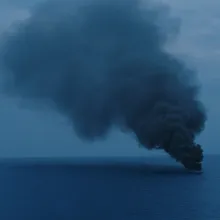
Documentary is proud to debut a clip from Europe’s New Faces, directed by Sam Abbas. The film is an empathetic, unfiltered depiction of both the challenges and triumphs faced by migrants—from the harrowing journey across the Mediterranean sea from Africa to the closely-knit communities they create in the squats of Paris.
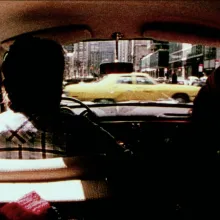
On the brink of America’s bicentennial, two filmmakers, a then-couple, filmed their cross-country road trips from the backseat of a car. The United States of America (1975) is the 27-minute product of these journeys and directors Bette Gordon and James Benning’s third and final collaboration. This short film typified the structuralist movement of avant-garde filmmaking, while also establishing documentary strategies that carry over to today.