

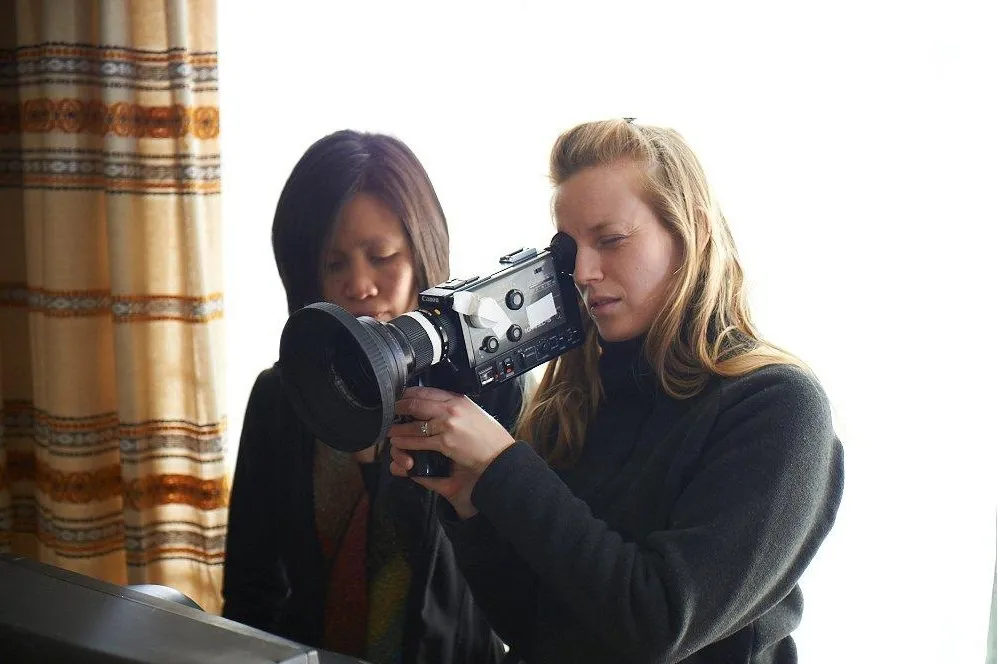

In this behind-the-scenes peek, filmmakers Bonni Cohen, Jon Shenk, and Jessica Anthony detail the production and impact pivots of their Participant
Funding

Fundraising for independent documentaries in the U.S. has always been difficult. As the manager of the IDA Fiscal Sponsorship Program, I have a unique
A filmmaker reflects on how Writing With Fire became a reckoning with authorship, the politics of a fixed gaze, and the unstable ground beneath

Formed over two decades ago, a Korean queer feminist collective “putting aesthetics into praxis” considers streaming and festival success
As a reviewer for a couple of documentary grants, the process is a lovely way to learn more about what stories my peers are exploring, what styles and

This year, the Pare Lorentz Documentary Fund theme will be: Migration in and to the Americas. While based in the United States, IDA has long

I have been producing projects with director Dylan Sires since 2017. Our latest project, 'ChiefsAholic: A Wolf in Chiefs Clothing' (2024), is an Amazon Original documentary about Kansas City Chiefs superfan Xaviar Babudar, aka “ChiefsAholic,” who rose to fame with his social media antics. But a secret life came to light when he was arrested, unraveling a series of unsolved bank robberies committed across the Midwest. ChiefsAholic was the first time we were given money to develop something—US$60,000, in fact. That only covered two weeks to capture enough of the story that we could use to sell. It was naive of us to think that having a budget made things any easier. At the time of writing, 'ChiefsAholic' carried a U.S. number one position on Amazon Prime for four days and generated a wild response from true crime fanatics and Chiefs Kingdom.
The revision process for Core Application 3.0 was informed by feedback gathered from filmmakers and industry professionals. Building on the success of Core Application 2.0, which was generally well-received as a tool for simplifying the application process, we identified areas for improvement.
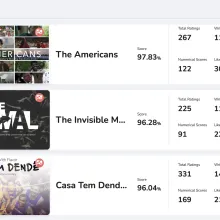
“Why even have a contest if you’re going to disregard the votes?” Founded four years ago, Decentralized Pictures is a nonprofit organization that gives awards to filmmakers through its platform based, in part, on the scores they receive from the platform’s users. The company—whose mission is “democratizing the film industry”—has some big supporters. In addition to filmmaker Roman Coppola and his family’s American Zoetrope studio, which helped found DCP, their board includes veteran indie agent Bart Walker and director Sofia Coppola. While some filmmakers who have participated in Decentralized’s contests have been enthusiastic about the company and the funds they’ve received, the Sidewinder Films Award revealed some deeper issues at the company.

In 2008 and 2019, in Documentary magazine, I published documentary budgeting articles and budget templates that have been read and used widely all over the world. I’m thrilled to return with a big update that includes: (1) a fully revised budget template that has been updated for 4K and streamer deliveries; (2) for the first time, a schedule template; (3) numerous new budget line items related to accessibility for film crews, participants, and audiences; and (4) a bigger reorganization to make the template more flexible and universal. The article has also been expanded and extensively rewritten.