The New York Film Festival (NYFF), now in its 62nd edition, is one of the biggest film festivals in the United States and, along with TIFF, the most important second-run festival in North America. This year’s edition found itself in the intersection of a number of conflicts surrounding the ongoing Israeli bombing of Gaza. These events serve as a reminder, despite the protestation of some donors, that no one can truly shut politics out of the festival. As it happens, protest was itself the subject of many of films in the festival.
Latest Posts
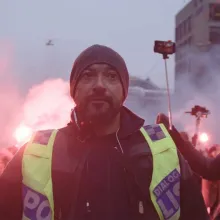
In The Dialogue Police , protests, Quran burnings, and political gatherings take center stage. This timely doc, helmed by veteran Susanna Edwards, takes a closer look at the specialized titular police unit, established after the Göteborg riots in 2001. Tasked with bridging the gap between protesters and police leadership, their mission is to uphold democratic values and prevent escalation through dialogue. However, maintaining composure in highly charged situations proves to be a demanding and draining responsibility for many within the group. Notably, Edwards’ film resonates with themes
While the origins of Valentine’s Day may be more historical and religious in nature, we use this day to show our appreciation and love for those around us: family, friends, significant others, and even our pets. Here are a few docs suggested by IDA Staff to watch this holiday weekend in the name of love.

In October 2023, as part of the series Making a Production, Documentary profiled the London-based production company Grain Media. As a small independent production company focused exclusively on documentary, they were managing to succeed, with difficulty, in a very challenging climate for documentary. At the end of 2024, the company’s Netflix documentaries The Lost Children and Buy Now: The Shopping Conspiracy achieved global prominence. At the same time, the company had to make its first redundancies, letting go of a handful of its long-serving staff. Documentary caught up with Grain’s founder and head Orlando von Einsiedel to discuss the ups and downs of the last year, and how they reflect what is going on in the global documentary industry.
The National Endowment for the Arts announced radical updates to its parameters for Fiscal Year 2026 funding via press release on Thursday, February 6. Under these new guidelines, funding in the main Grants for Arts Projects (GAP) program will be distributed to “projects that celebrate the nation’s rich artistic heritage and creativity by honoring the semiquincentennial of the United States of America.” In the past, the NEA has not required applicants to adhere to topic-related proposals. This news arrives just one week after Trump signed an executive order establishing a task force to
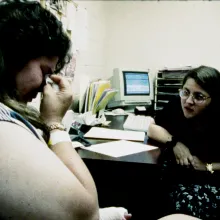
Frederick Wiseman is a pillar of American documentary, yet much of his work has historically been difficult to view in a high-quality format. For the first 40 years of his expansive career, Wiseman shot each of his deep-diving, sometimes epic-length explorations of various institutions on 16mm, not transitioning to digital until the late 2000s. Over the course of five years and in collaboration between Wiseman’s company Zipporah Films and the Library of Congress, the Harvard Film Archive, the late DuArt Film Lab, and Goldcrest Post, 33 of his features—from his debut Titicut Follies (1967) to State Legislature (2006)—received 4K restorations. Beyond being a vital work of preservation for one of our most important documentarians, the effort has precipitated one of the biggest repertory cinema events of the year in cities on multiple continents. Amidst these retrospectives, we sat down to speak with Wiseman over the phone about the restoration process, his literary influences, and how newer audiences have received his work.

It’s not called the Sundance “International” Film Festival, but it has become increasingly so, becoming one of the most vital global launchpads for nonfiction work. Despite the fact that there have yet to be any flashy global streamer deals (or even smaller sales) announced for any of this year’s documentaries, the industry’s wheels are churning. Highly praised films, such as Geeta Gandbhir’s riveting Directing Award winner The Perfect Neighbor and David Osit’s complex media exposé Predators are likely to find buyers soon, while at least one of the festival’s World titles was scooped up for international sales.
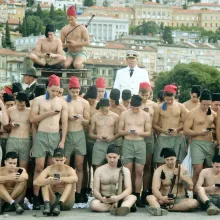
After presenting A Brief Excursion in 2017, Igor Bezinović returns to Rotterdam to showcase his latest documentary, titled Fiume o Morte!, in the Tiger competition. The Croatian director uses dramatic reconstructions and nonfiction interludes to explore the complex figure of Italian poet, playwright, and army officer Gabriele D’Annunzio (1863–1938). In his conversation with Documentary, Bezinović unpacks the making of his long-gestated project, its peculiar aesthetic choices, its ambitions, and its worryingly timely connections between past and present.
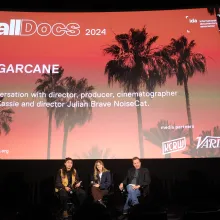
This year, the 2025 Academy Awards have spotlighted a remarkable selection of documentary features, each offering profound insights into complex global narratives. Notably, all of these nominated films were screened at FallDocs (and IDA award nominees and winners!). We were lucky to sit down this fall with each director and film a Q&A about their process and their film’s journey thus far.
This piece was first published in Documentary ’s Winter 2024/2025 issue, with the following subheading: What does the makeup of films awarded at IDA’s Documentary Awards tell us about the history of documentaries? Though it’s tempting to try to glean the trajectory of notable cinema from the history of a film awards show, the shows ultimately reveal more about the changing tastes of its voting body, as well as broader trends within the industry. This isn’t all that damning of awards shows, though cinephiles and commentators may enjoy grousing about how much awards bodies like the Academy of