Producer’s Diary is Documentary’s strand that offers a play-by-play of their successes and failures over the course of a specific project. These pieces, written diary-style by a producer (or a group of them), walk readers, date by date, through the arc of a production —from meeting filmmakers/subjects to shooting, post-production, festival runs, and distribution—revealing the specific ins and outs of a documentary production.
Birds of War, a film I co-directed and produced with my partner, Abd Alkader Habak, is, at its heart, our love story. I am a London-based Lebanese journalist; he is a Syrian activist and cameraman. Together, we tell the story of thirteen years of our lives through personal archives captured across revolutions, war, and exile.
For me, the film is about what we carry with us through violence and displacement, and how sometimes love becomes not only a source of hope but also a reason to keep going.
That was not, however, how we first envisioned this documentary. Originally, we wanted to produce a feature documentary about Lebanon, starting in 2019, tracing the revolution, the economic collapse that followed, and the Israeli war on the country through my lens as a journalist covering, witnessing, and living through those years.
However, as I further developed the film, it became clear that Habak was also an integral part of the story. And what we found, as the story shifted to accommodate that realization, was that by incorporating our personal journey, from meeting as strangers when I contacted Habak for footage during the final months of the four-year battle for Aleppo in 2016, was that our journey told a much deeper, richer story about how war, displacement, distance, cultural differences and familial judgements were a microcosm for much broader, global conversations.
In essence, Birds of War took roughly three years from conception to release, which is quite an accelerated timeline for an independent documentary. But as the film itself shows, the story our documentary tells goes much further, drawing on years of archive material we’d been shooting. Much of the work’s shaping came in the editing room, as we learned what we had and what we wanted to show, all while keeping the project confidential, often keeping us from public pitch forums and intentionally avoiding a presell to retain editorial control through postproduction.
I’m writing this in July 2026, in the middle of our film festival run, which has given me the chance to look back on how long a history Birds of War tells and how winding a road we've taken to get it out in the world.
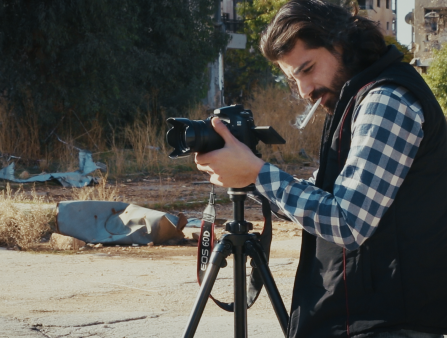
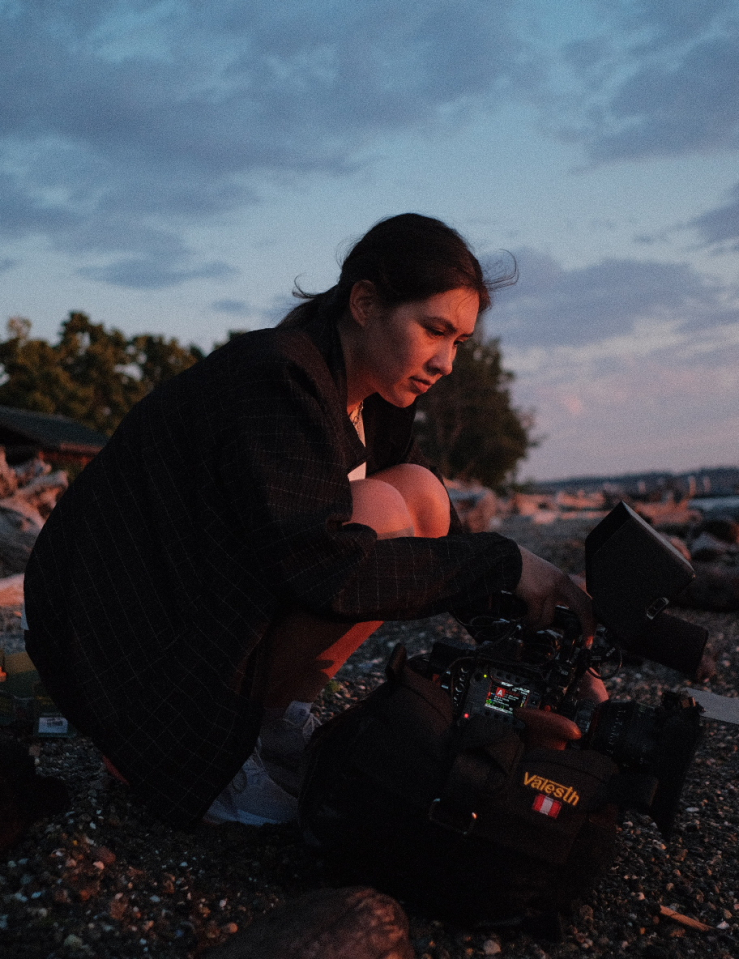
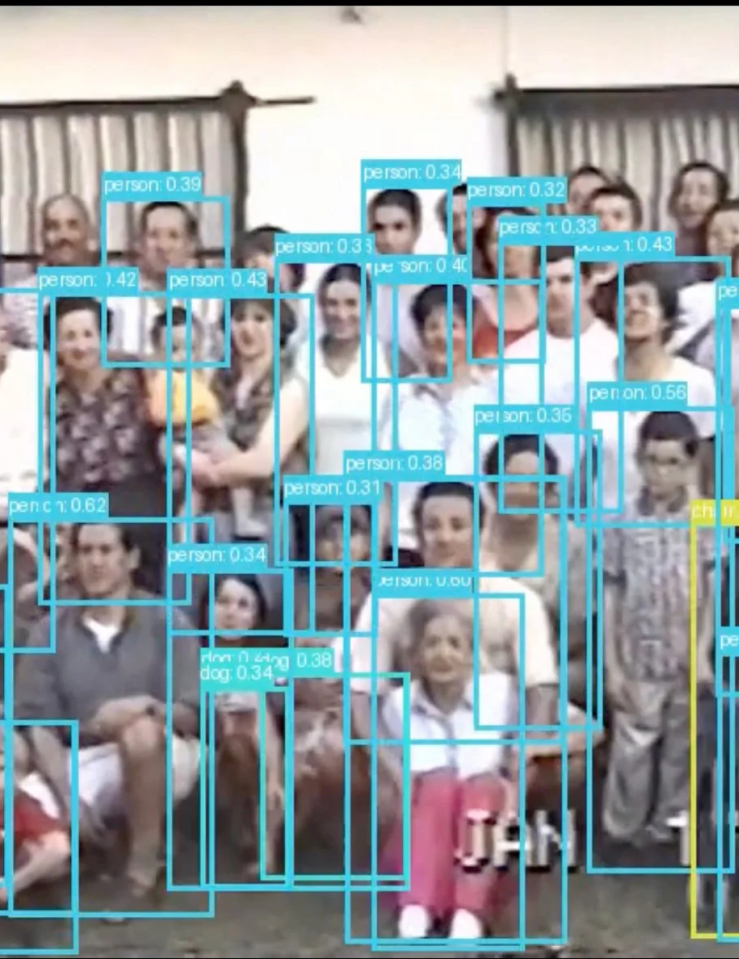
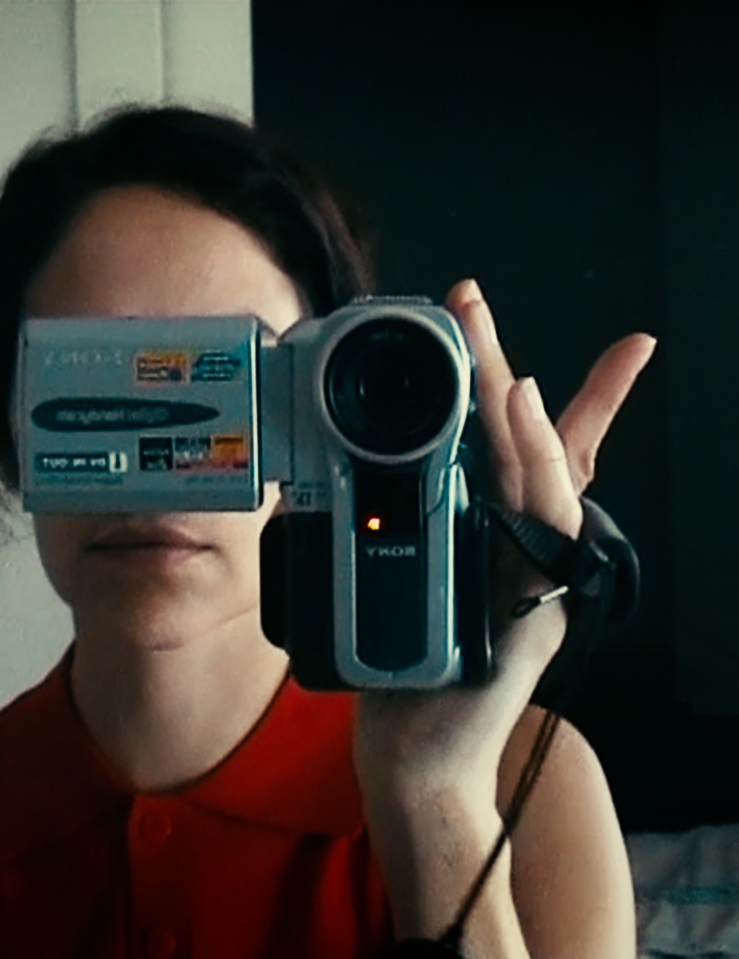
Birds of War. All stills courtesy of Habak Films
November 2016
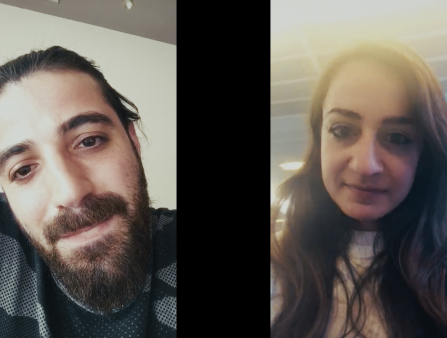
Before we go into how this film was produced, it’s vital to mention the random factors that made it possible. In November 2016, I was living in London and working as a journalist at BBC News Arabic, covering the revolution and war in Syria. At that point, we were relying on activists on the ground to send us footage and material because the previous Syrian regime had cut all foreign journalists’ access to the country. I used to get in contact with activists via social media, and I found Habak’s Facebook page as I was looking for someone to film a story for me from the siege of Aleppo. We kept in touch for a year, mostly over text messages, and kept working together after he was displaced from Aleppo to Idlib. For a year, we knew each other only through words on a screen, voice messages, and video diaries sent between assignments, danger, and displacement, yet somehow, through those fragments of conversation, a connection began to take shape before we ever met in person.
May 2017
Months after we first started working together, we were able to meet face-to-face for the first time in Turkey after he was forced to flee Syria. That is when our relationship changed.
I made several trips to Turkey, where we got to know each other beyond the work that had first brought us together. We discovered the small things we had in common, as well as the differences that shaped us. He had been raised as a Muslim, and I had grown up in a Christian family. We came from different countries and different experiences, but we found ourselves sharing many of the same hopes, interests, and dreams for the future. The relationship that had begun through journalism and activism slowly became a relationship built on trust, intimacy, and a shared understanding of what we had lived through; eventually, we fell in love.
October 2017
Habak then left Turkey to live with me in London as a couple. He brought with him his bag of hard drives that he kept hidden under his bed, afraid to face the filmed material they held because of the trauma and the experiences he had to live through to document the war.
October 2019
When the revolution began, I went with Habak to Lebanon as I was unable to stay in London and watch my country go through a revolution. We went together, and during our time there, we filmed the revolution together for no reason, just as a way to process and find meaning in what we were experiencing as well as document this historic moment in the country. Over the next few years, I kept visiting my family in Lebanon and documenting the country’s collapse and my family’s personal life.
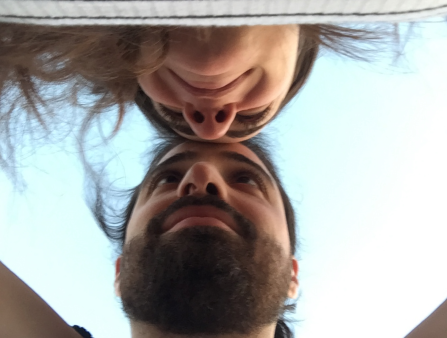
Birds of War.
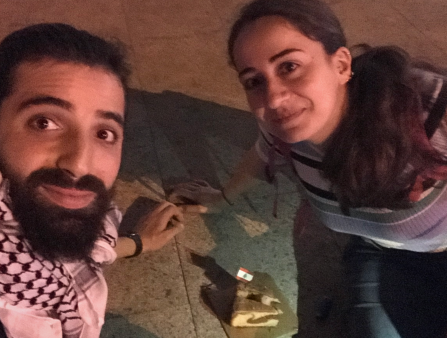
February 2021
Habak and I started to work on documentaries together in London, and we began developing another feature documentary, Until the Buzzing Stops (about a Syrian refugee in London turning to beekeeping as a way to cope with the trauma he’s faced), so we set up a company in London to be able to apply for funding: Habak Films. As we grew the company, we decided to start working on more films.
March 2022
For the previous year, Habak and I kept developing Until the Buzzing Stops, but I wanted to start developing other films. So, I had an idea to make a documentary about the 2019 revolution in Lebanon and my family’s situation, using all the footage I had filmed there during my frequent visits to tell the story of my work as a journalist and my family. Because Habak has been my partner since he moved to London, he was going to be in the film as part of this story, but we needed to develop the story and decide how best to tell it.
June 2022
After going around the festivals and markets in CPH:DOX and Sheffield, watching films, and immersing ourselves in the industry, we realised that it’s important to have coproducers to unlock funding, and it’s also important to have a strong producer who will not only give credibility to our emerging team but also be able to carry a huge project through the industry.
October 2022
Habak met film producer Sonja Henrici at an AMPAS event in London, and we agreed to meet her at IDFA to present the idea to her, which was still, at that time, a story about Lebanon.
November 2022
We started chatting with Sonja at IDFA and pitched our original idea for the story. She was drawn into the topic but told us the idea needed further development. At IDFA, I also met Keisha Knight, who served as the Director of IDA Funds, and she told me about the IDA Logan Elevate grant, which provides funding to emerging women and non-binary filmmakers of color directing feature-length journalistic documentaries. This opportunity felt right since I met the criteria; however, the application was invite-only, so I wasn’t sure I would be invited. But I used it as a motivation to develop the idea further, cut a small trailer, and write the project proposal.
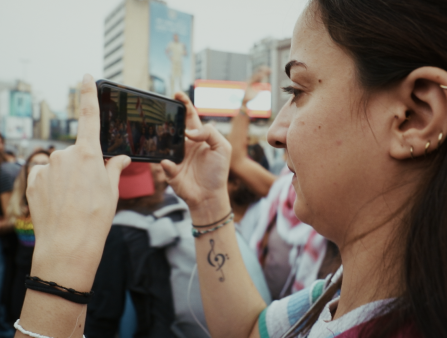
Birds of War.
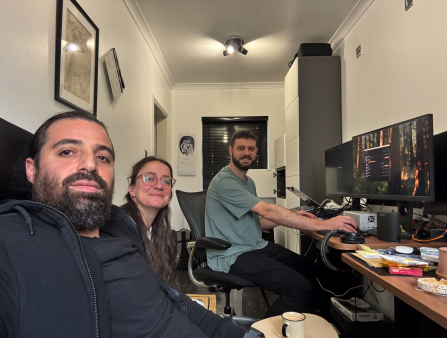
(L to R) Filmmakers Abd Alkader Habak and Janay Boulos with editor Will Hewitt at work on the film.
July 2023
After the initial application stage for the IDA Logan Elevate grant, I was then invited for an interview, and that summer, I was selected as one of the grantees. This grant allowed me to begin serious discussions about this film with Sonja, who came on board the project to help us shape it and produce it. The documentary, then called “Untitled Middle East project,” began to have legs, and it was set up as a production between our London-based production company, Habak Films, and Sonja Henrici Creates, based out of Edinburgh. Immediately, we were envisioning an impact campaign that would work alongside the project; it was a core driver of the story and stayed with us throughout the filmmaking process.
August 2023
We hired Will Hewitt, a junior editor based in Edinburgh, to set up the project and begin work on the film. At that time, the idea was to focus on my life with Habak in London and, through that, root the film in the present day and use that framing to take us back in time to our experiences, him as an activist and cameraman in Syria, and me as a journalist in Lebanon and my family.
Through conversations Habak and I were having in London about politics, current affairs, our lives and what we lived and how that shaped and changed us, we would take audiences back to our past to understand the war and revolution in Syria, the revolution and collapse of Lebanon, and our personal story how we met when he used to film for me in Aleppo, and how we got together and what led us to our life in exile in London.
November 2023
We made a 10-minute trailer with Will that focused on our love story using our WhatsApp chat messages, voice notes, and personal archive. We attended IDFA and had private meetings with many industry experts to pitch the film, gather feedback, and explore it further in an industry setting. We met Oli Harbottle from Dogwoof. We also met Rebecca Lichtenfeld from InMaat Foundation, an incredible organization that supports stories that challenge and disrupt systemic gender oppression while championing justice and human rights.
January 2024
Rebecca supported the project through the InMaat Foundation with a small grant, and through Sonja, we were able to match the IDA Logan Elevate Grant and the InMaat grant and raise additional funding from Screen Scotland to continue looking at my archive and Habak’s archive and to find the story in all of this material. We also began applying for industry opportunities; however, as the film was still confidential, we didn’t want to pitch publicly, so we applied to the Hot Docs Deal Maker, which is a curated one-on-one pitch meeting program where producers connect with attending industry representatives. We also reached out to Connected Foundation, which is a Dutch fund, and submitted the project for production funding. At the moment, we decided that this film would focus on our love story, but it would still use the present as the timeline, taking us back in time to tell Habak’s story in Syria and my story in Lebanon as flashbacks.
April 2024
We had cut several scenes with Will, and we used that material to attend the Hot Docs Deal Maker in Toronto, where we had meetings with several industry professionals, including sales agents, broadcasters, festival representatives, and many more. It was an interesting experience and allowed us to be in the industry privately, get a limited exposure as we wished, but also have discussions that we were able to continue throughout the production of the film.
The more we cut, the clearer it became that this was a film about the love story between Habak and me: this allowed us to stick to this narrative and discard any scene or moment that did not serve in telling this story.
August 2024
The Israeli war began in Lebanon. Mentally and physically, I became incapable of working as I witnessed the war unfold. At the same time, we couldn’t stop working as the edit was in full force. And because this was a personal story and a film about Lebanon and Syria, we knew that the war was a relevant moment for the film’s narrative. We needed to bring in the present situation into the film.
Habak and I started filming each other at home in London to continue telling the story and bring in the emotions we were having into the film. At this point, we were moving, and chaos was all around us. It all got to be too much. But through it all, we kept filming. On several occasions, we had Will, our editor, travel down from Edinburgh to film us. We were committed to remaining a small crew for as long as possible.
November 2024
We received the IDA Enterprise Fund. We had a selection of scenes we pulled together, along with a full film treatment and budget. We also received generous funding from the Connected Foundation, which enabled us to continue filming and editing.
December 2024
Following the harrowing events of the war in Lebanon, the Syrian regime fell. Habak and I were in a state of shock, elation, and confusion all at once. What we had been filming in our home during the war in Lebanon continued, allowing us to capture Habak’s reaction to the regime’s fall in real time. We knew we had to let real life enter the film again. When Habak returned to Syria, we hired his brother and a local cameraman to film his return to the country after 8 years in exile, during which he had been unable to visit.
Spring 2025
At this point, we agreed that we had enough footage to finish the film. However, the struggle began in the edit. Our goal was to turn this 13-year archive that included his filming from Syria from 2011 until 2017 and my filming in Lebanon from 2019 till 2023 (not to mention the footage we’d shot in 2024 and 2025 while together in London) into a 90-minute cut. This is when we met Claire Ferguson, who connected with our story and came on board as a supervising editor to oversee the edit, support Will, and sort through our archive to see what kind of narrative structure made the most sense for the documentary we were excavating in these images.
Our aim was to finish the film by January 2026. We set a timeline for ourselves to aim for a Cannes premiere and beyond for a festival release. But we were at a rough-cut stage, and we needed to shorten the film’s duration (we were at two hours at that point) and tighten the emotional core and the arcs of the film in general, as well as the arcs in each scene.
This meant we had to cut many stories, including several moments from Habak’s experience during the siege of Aleppo and my own story with my family in Lebanon. The more we cut, the clearer it became that this was a film about the love story between Habak and me: this allowed us to stick to this narrative and discard any scene or moment that did not serve in telling this story. It was a practical way to look at each scene and see what it was doing, but it was also emotional for us, as we had many memories and attachments to our material.
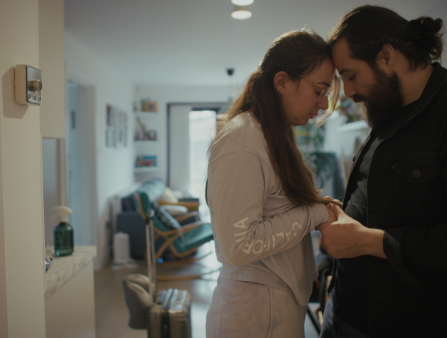
Birds of War.
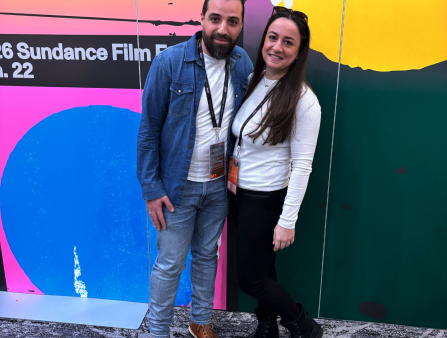
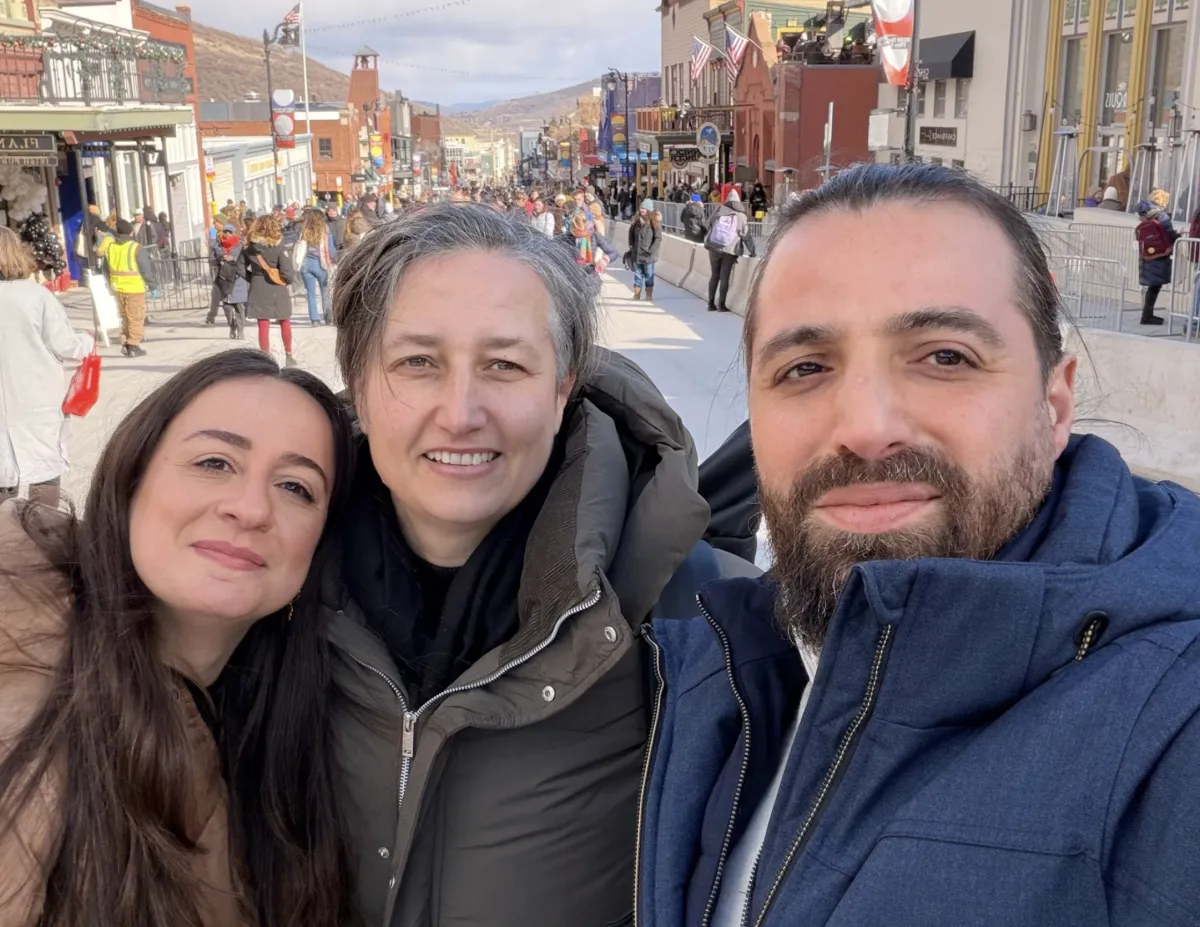
(L to R) Co-directors Abd Alkader Habak and Janay Boulos at Sundance.
Fall 2025
We submitted a rough cut of the film to Sundance and presented the project at the London Film Festival Production Finance Market in closed one-to-one meetings with sales representatives. We also presented the project at the BFI Works in Progress showcase, where we had meetings with festival representatives and sales agents, and it was the first time we pitched the project publicly, albeit it was for a private audience invited by the BFI. There, we met representatives from different Cannes sections and discussed the film. We went back to thinking about the release. If Sundance was too early and we did not get it, the plan was to continue aiming for Cannes. We edited the film up until mid-November before the Sundance call came in telling us we had been accepted for the World Premiere in the International Documentary Competition.
December 2025
As people celebrated the holidays and the new year, the Birds of War team worked tirelessly to meet the Sundance delivery deadline. We turned our home into a boot camp where Will and Sonja stayed with us for around 3 weeks to finish the film and continue fundraising. Dogwoof came on board during this time, and we began strategizing our distribution and festival plans. It was a sleepless time when we had to hire an additional editor, Tanya Singh, to finish the film, as well as two composers, Harpal Mudhar and Darren Sng, who worked across two different time zones to compose music over 24 hours.
January 2026
Birds of War had its world premiere at the last Sundance in Utah. Ten of us from the team traveled to Park City and shared an apartment. At the end of the festival, we won the Special Jury Award for Journalistic impact. Our film was finally finished and out in the world.
March 2026
After we took February off to rest and recover, we regrouped at the Thessaloniki International Documentary Festival, where we won four awards, including the Silver Alexander in the International Competition and the FIPRESCI Award for Best Feature Documentary. We continued traveling with the film, showing it at the Berlin Human Rights Film Festival, Hot Docs, DOCLANDS, Seattle, and others. During this time, we also worked to refine our impact campaign, eventually working with Khadidja Benouataf as an impact strategist to develop the goals for what that would entail.
June 2026
We launched our impact campaign titled “You Are More Than a Story”—a line from the film—in Sheffield. Our campaign is ongoing and focuses on three things: changing the conversation around who gets to tell stories from conflict zones; delivering education and training on how news from our region is produced, framed, and distributed; and building long-term capacity for Levantine and diaspora storytellers to develop and distribute their own work within international media ecosystems. Working with Dogwoof, we continue to secure international deals, including in Australia, New Zealand, Spain, and Canada, among others, and we also have plans for a US theatrical release and impact campaign this fall with 8 Above.