
Brown Girls Doc Mafia (BGDM) started as a secret. It was built to be a safe place for BIPOC women and non-binary filmmakers and industry professionals
Feature

The founding of FWD-Doc (Filmmakers with Disabilities-Documentary) can be traced to IDA’s 2018 Getting Real conference in Los Angeles. After a panel
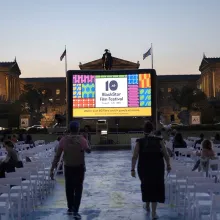
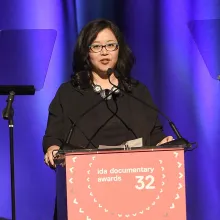
As IDA celebrates its 40th anniversary, we at the MacArthur Foundation are also reflecting on our 40+ years in the documentary field and how
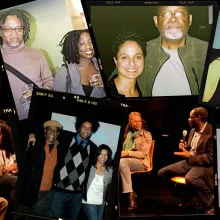
IDA and the Black Documentary Collective go waaaay back. BDC’s founder, filmmaker St. Clair Bourne, was an IDA member and served on its board for many
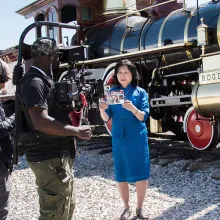
Not too long ago, filmmaker/editor Jean Tsien kicked off a meeting of Asian American documentary filmmakers by lighting sage and paying tribute to our

This past year, a respected colleague who had attended many industry events with executives from public television noted to me how, "They choose not
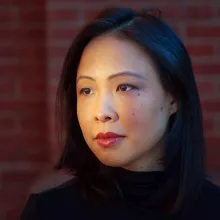
I find the term “gatekeeper” discomforting. I cringe every time it is mentioned in reference to someone in a position of power in our industry. Even

When Nick Stuart of the nonprofit multimedia company Odyssey Impact thinks back on the 2016 world premiere of Kim A. Snyder’s Peabody Award-winning

It was the first day on my new editing gig: a feature documentary about abuse, directed by Amy J. Berg. The AE had delivered the hard drive, the