

To address urgent challenges in audiovisual preservation, BAVC Media (Bay Area Video Coalition) has released “Mapping the Magnetic Media Landscape,” a landmark research study that investigates the preservation efforts of magnetic media collections across the United States. The report—which its authors previewed in Documentary earlier this year—is now available to read here.
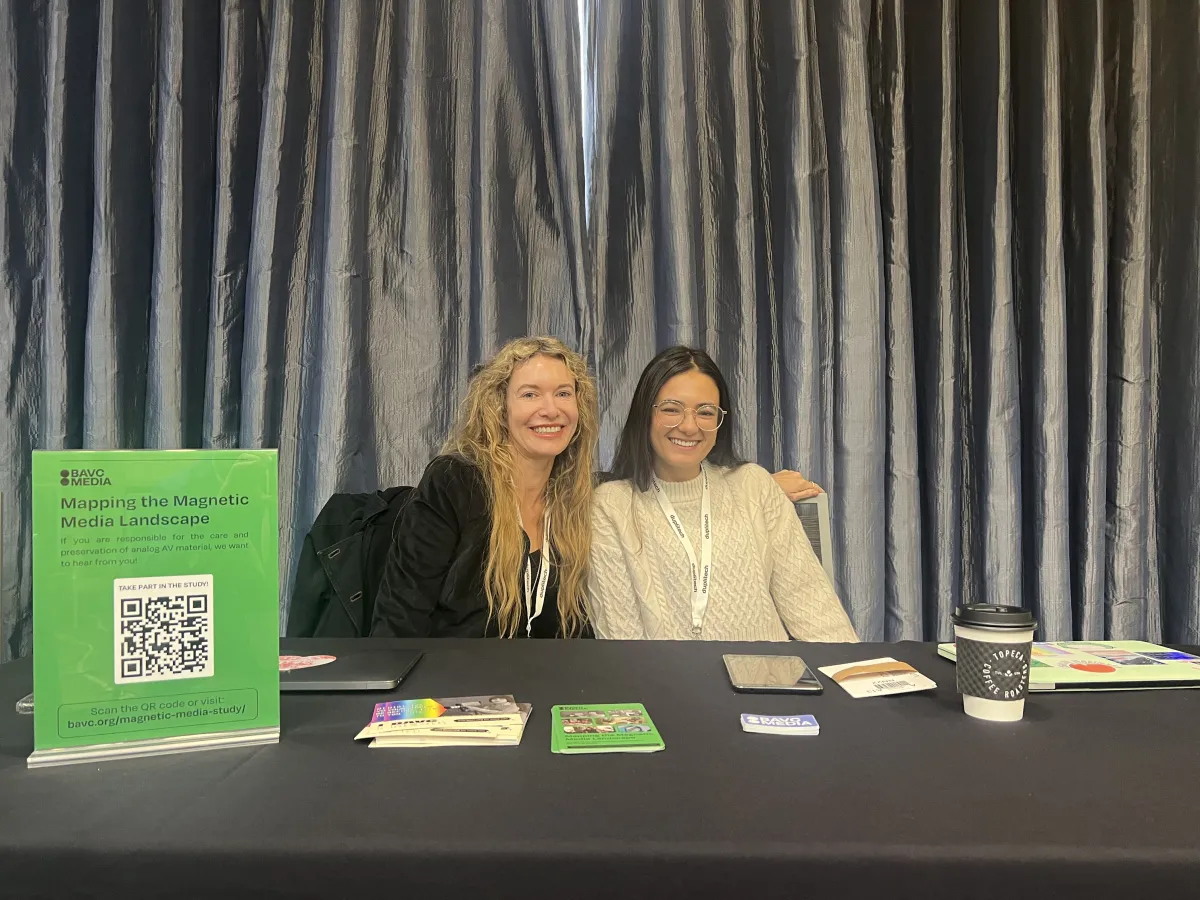
The study is supported by the National Endowment for the Humanities and co-authored by archivist Moriah Ulinskas, BAVC Media Research & Development Manager Kailen Sallander, and archivist Kelli Shay Hix. Their research synthesizes findings from a nationwide survey, several site visits, and interviews with professionals overseeing archives, libraries, museums, and other organizations restoring and safeguarding video history.
“Cultural preservation has long been a cornerstone of BAVC Media’s work,” says Paula Smith Arrigoni, executive director of BAVC Media, in a prepared statement. “This national study addresses the urgent need to understand what’s happening on the ground in the preservation and archival field, and who’s doing the critical work.”
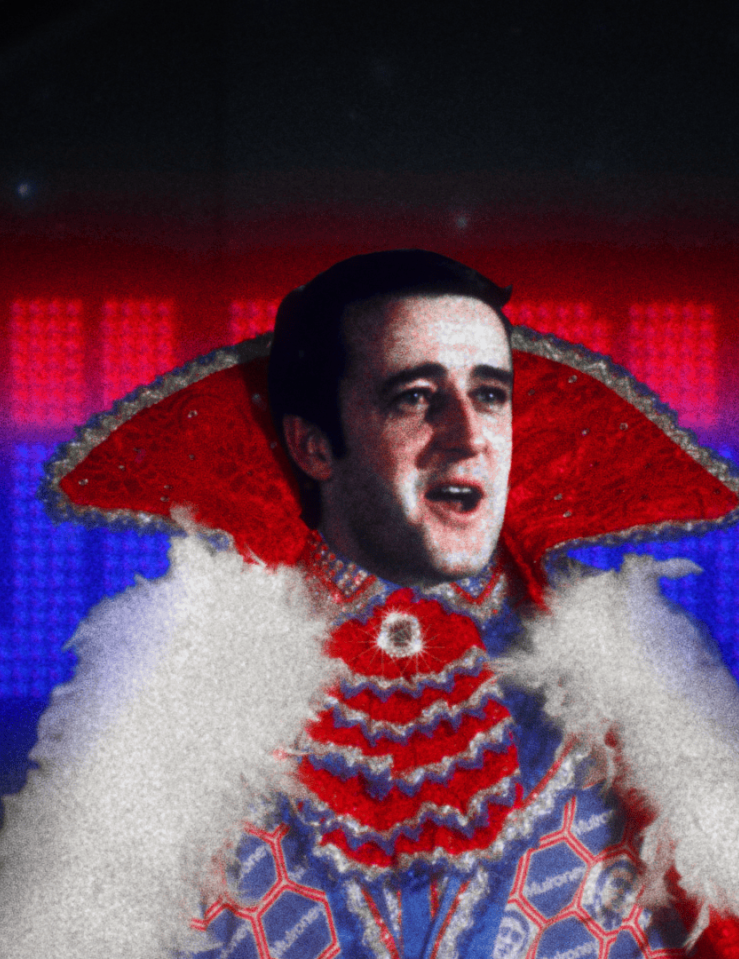
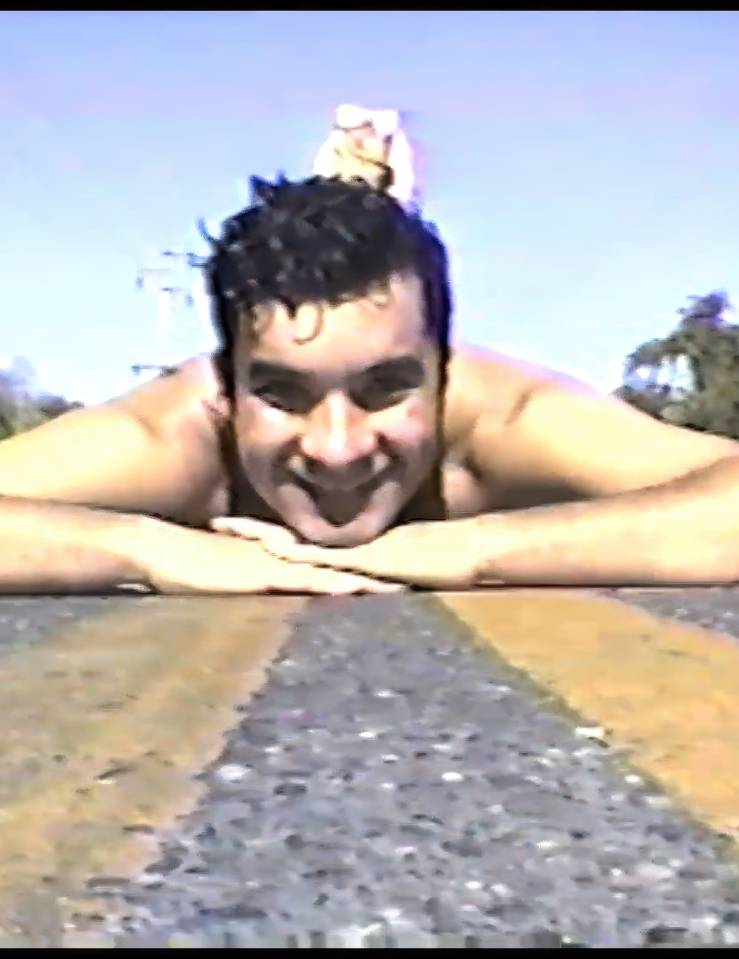
Of the 131 organizations that responded to the initial survey, collections varied from children’s programming to documentation of labor and social justice movements. What they have in common is an overwhelming emphasis on the cultural and emotional significance of their collections: 99% report holding “unique, irreplaceable” material.
At the same time, the findings reveal serious vulnerabilities. Only 6.5% of respondents express extreme confidence in their ability to digitize collections, while 29% report no confidence at all. 50% of the respondents also indicate their staff lack some of the training needed to handle culturally sensitive materials.
Financial precarity also emerges as a major concern. An overwhelming majority of organizations surveyed rely on both federal and non-federal grants (80% and 87% respectively) to support their operations. As government funding continues to disappear due to unprecedented cuts by the Trump administration, responding organizations collectively report—through a follow-up form—a loss of nearly $12 million. Though the full effects of these cuts cannot be anticipated at this time, they could severely jeopardize digitization projects: “Without these grants, mass digitization will not happen at our organization,” one respondent notes.
Despite this adversity, the report highlights resilience and innovation across the field. Sallander reflects in a press release: “Working firsthand in the community of audiovisual archivists for the last three years has shown how genuinely resilient, creative, and resourceful the stewards preserving our shared history are. The practitioners in this field are dedicated to collectively solving their shared challenges and preserving their collections—from working on internal education and advocacy, to building regional networks, and utilizing DIY equipment.”
Findings from this study will be shared at upcoming international conferences, including the International Association of Sound and Audiovisual Archives this week, the Australasian Sound Recordings Association in October, and the Association of Moving Image Archivists in December.