Screen Time is your curated weekly guide to excellent documentaries and nonfiction programs that you can watch at home. Now streaming on Netflix, Father Soldier Son, produced by The New York Times and produced and directed by reporters-turned-filmmakers Catrin Einhorn and Leslye Davis, follows a former platoon sergeant and his two young sons over almost a decade, chronicling his return home after a serious combat injury in Afghanistan. Originating as part of a 2010 project on a battalion's year-long deployment, Einhorn and Davis stuck with the story to trace the long-term effects of military
Latest Posts
After completing the second of what would be four Q&As at the True/False film festival in March, David Osit, who directed the documentary Mayo r, found out that the 2020 South by Southwest Film Festival had been canceled. "At the time [other filmmakers and I] were joking with each other that we were at the last [in-person] film festival in the world," Osit says. "Then True/False literally ended up being the last film festival that proceeded as scheduled in North America. It was remarkable." Osit's Mayor, which follows Musa Hadid, the Christian mayor of Palestinian city Ramallah, is looking for
Essential Doc Reads is our curated selection of recent features and important news items about the documentary form and its processes, from around the internet, as well as from the Documentary magazine archive. We hope you enjoy! Following the communal outcry over the lack of diversity in the team behind the HBO Tiger Woods documentary series, IndieWire’s Tambay Obenson checks in with those who led the thread, and those who sparked it. "I kicked the hornet nest," Geeta Gandbhir told IndieWire. "Yeah, but the hornet nest has definitely been growing on sort of the front porch of the white
Meet IDA’s newest member. Starting in August 2020, Veronica Montreyro will be joining the IDA Development team as the Membership & Individual Giving Manager.
The world has radically changed over the past four months. Not only has the work of documentary filmmakers been significantly disrupted, but so has the celebration of that work. We are certainly adapting to this brave new world that has been thrust upon us; the hopefully temporary loss of those spaces for celebration should be contemplated, if not grieved. Festivals are our party, our reward after years of work and labor in isolation. Watching a filmmaker's work on the big screen, seeing them doing a Q&A, and taking their work into the new world to bring knowledge to us all is like attending a
Screen Time is your curated weekly guide to excellent documentaries and nonfiction programs that you can watch at home. We lost Georgia Congressman and civil rights warrior John Lewis last week—a true titan in the ongoing battle for equality and justice and freedom, and a true embodiment of leadership: magnanimity, courage, principle and resolve. We are blessed that Dawn Porter delivered her documentary John Lewis: Good Trouble before his passing. That film streams via Magnolia Pictures. And be sure to watch Kathleen Dowdy's 2015 documentary John Lewis: Get in the Way, now streaming on PBS.org
Essential Doc Reads is our curated selection of recent features and important news items about the documentary form and its processes, from around the internet, as well as from the Documentary magazine archive. We hope you enjoy! Filmmaker Matt Heineman's announcement on Facebook that he and Matt Hamachek would be directing a documentary series on golfer Tiger Woods for HBO triggered a lengthy discussion from the documentary community about how the industry continues to fall short, even amid a global reckoning on racial justice, when it comes to diversity, equity and inclusion—especially when
Screen Time is your curated weekly guide to excellent documentaries and nonfiction programs that you can watch at home. Linda Goldstein Knowlton's We Are the Radical Monarchs, premiering July 20 on POV to kick off the series’ 33rd season, documents an Oakland-based group of tween girls of color, who lead an alt-scout troop whose mission is to educate themselves on social justice including being an LGBTQ ally, the environment, and disability justice. The film follows the first troop of Radical Monarchs for over three years, until they graduate, and documents the co-founders' struggle to respond
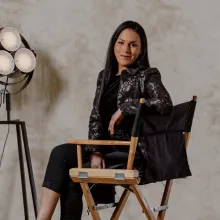
The International Documentary Association (IDA) announced the appointment of Brenda Robinson as President of its Board of Directors. Robinson, who joined IDA’s Board of Directors in 2018, succeeds Kevin Iwashina, whose board term ends in December 2020.
Though Bloody Nose, Empty Pockets premiered in the US Documentary Competition at pre-pandemic Sundance back in January, I didn’t catch Bill and Turner Ross' heartfelt film until the festival world had turned upside down and digital. Fortunately, I was able to watch the unusual dive-bar drama during CPH:DOX's pioneering virtual edition, deeming it "the quintessential CPH:DOX film—i.e., designed to have doc purists tearing their hair out," and summed it up as follows: "Veering from the ridiculous to the poignant, often in the same scene, this collection of character studies shot during last call