
Istanbul has a special relationship with their street dogs. It’s not merely tolerance; it’s collective care. Elizabeth Lo discovered this after the death of her childhood pet prompted her to examine how cultures around the world act towards the canine creatures with whom mankind has evolved. Thus was born Stray, a feature documentary that gets inside the life of one dog in particular, Zeytin, and shows how full of agency and rich with encounters her life is.
Latest Posts
Gatsby in Connecticut: The Untold Story was unceremoniously removed from Amazon Prime two weeks ago, one of many independent films vanquished by The Prime Pandemic Purge. While this purge has apparently been happening for some time, Amazon announced in early February that they were “no longer accepting unsolicited licensing submissions via Prime Video Direct for nonfiction and short-form content..” As the independent film community assesses the impact of Amazon’s new stance toward independent film, I hope my story may help propel the conversation. I wrapped my first feature-length documentary
Screen Time is your curated weekly guide to excellent documentaries and nonfiction programs that you can watch at home. Ondi Timoner’s Coming Clean, streaming through Laemmle Virtual Cinema, explores the depth and breadth of the deadliest drug epidemic in America’s history: the opioid crisis. Weaving together animation and deeply personal stories of loss and recovery, Coming Clean is a story of empathy and action. Launching March 6 on ShortsTV, FIVE is a documentary film series, commissioned by Mastercard, that follows the journeys of five women from five countries around the world—Croatia
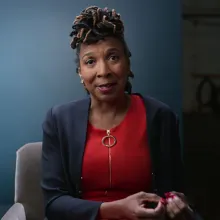
Essential Doc Reads is our curated selection of recent features and important news items about the documentary form and its processes, from around the internet, as well as from the Documentary magazine archive. We hope you enjoy! IndieWire’s Steve Green talks to writer Sasha Stewart about the process of creating the Netflix docuseries Amend: The Fight for America, which tells the story of the 14th Amendment of the US Constitution—the foundation for due process and equal protection. Picking each word for each episode was incredibly challenging. But having those words as our North Stars was so
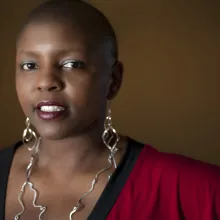
Yoruba Richen is an award-winning documentary filmmaker whose work has been featured on PBS, New York Times Op-Docs, FRONTLINE Digital, New York Magazine’s website - The Cut, The Atlantic, and Field of Vision. Her latest film, How It Feels To Be Free, premiered on PBS’ American Masters in January 2021. Her other recent work includes The New York Times Presents: The Killing of Breonna Taylor, which premiered on FX and Hulu, and The Sit In: Harry Belafonte Hosts the Tonight Show, one of the first documentaries to premiere on Peacock; both films were recently nominated for NAACP Image Awards. Her
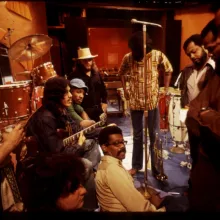
Screen Time is your curated weekly guide to excellent documentaries and nonfiction programs that you can watch at home. Premiering February 22 on Independent Lens is Melissa Haizlip’s Mr. SOUL!, which won the 2018 IDA Documentary Award for Best Music Documentary. The film celebrates the public television variety show SOUL!, which ran from 1968 to 1973, as one of the premier showcases for the greatest figures in Black literature, poetry, music and politics. Under the visionary guidance of producer/host Ellis Haizlip (the filmmaker’s uncle), SOUL! was the first national show to provide expanded
Essential Doc Reads is our curated selection of recent features and important news items about the documentary form and its processes, from around the internet, as well as from the Documentary magazine archive. We hope you enjoy! Writing for Immerse, Ngozi Nwadiogbu reports on the "Brown Girls and the New Frontier" panel at the 2021 Sundance Film Festival. For us, there were a couple of things that were specifically important to acknowledge, as those who have suffered from the racial caste system. One is not just the violence that occurs or has occurred over the last 400 years across the
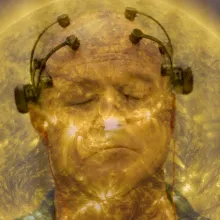
In 2015, the Sundance Institute launched a new initiative to support “inventive artistic practice” in documentary called Art of Nonfiction. After fostering such groundbreaking filmmakers over the years as Khalik Allah, Garrett Bradley, Robert Greene, Sky Hopinka and Kirsten Johnson, among others, the program wound down last year after COVID-19 struck and the program’s founder, Tabitha Jackson, was tapped to run the Sundance Film Festival. As an indication of the program’s success, this year’s Sundance Film Festival showcased five ambitious and formally exciting new works from Art of Nonfiction
Now is the time to act with intentionality; we need to stop meandering in search of the right way forward. Deep introspection and consideration of historically marginalized perspectives are essential for a purposeful collective pursuit of equity in our documentary field. And so, we are pleased to announce the open call for this year’s IDA Enterprise Documentary Fund's Production Grant with an addition to our application guidelines—that of authorship. The updated grant application will include questions about why the creative team is uniquely positioned to make the film, and their personal
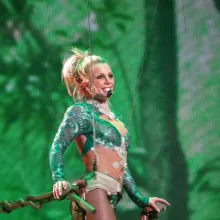
Essential Doc Reads is our curated selection of recent features and important news items about the documentary form and its processes, from around the internet, as well as from the Documentary magazine archive. We hope you enjoy! Discussing the new documentary Framing Britney Spears, IndieWire’s Kristen Lopez addresses the conservatorship issue surrounding the pop icon, and how the documentary fails to mention how conservatorship is a key element of disability rights. Let’s be real, did I expect Framing Britney Spears to bring up disability issues? Sadly, no. But it’s something that, I think