
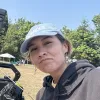
What’s in My Bag is Documentary’s strand of photo spotlights of the setups that help create the stories of our times. For these pieces, we ask cinematographers in the field for essential tools of the trade and the accessories that help us do our best work.
It’s early morning. I’m slamming hotel coffee as a way to pique and collect my thoughts and equipment. The organized version of me hasn’t woken up yet, but thankfully, I plan for this exact scenario ahead of time. The night before a shoot, I like to have everything packed and ready to go. The contents of my bag both reflect the day I wish for and the one full of unforeseen circumstances I can’t avoid. That’s why it includes everything from Cap Its, extra SDI cables, tape, and rubber bands, but also sometimes things like earrings for a powwow, my favorite hat, or a tick removal tool. It carries things I know I’ll need and things I’ve learned I can’t do without.
This is the life of a filmmaker. You can’t ever escape the tension between past and future. It is built into the fabric of filmmaking. You’re constantly thinking about what things are going to be like and how things turned out. We put countless hours into emails, meetings, outlines, and shot lists that anticipate all that’s to come. And, after shooting, we focus on how we should have lingered on a shot for a few more seconds, maybe wishing that we were smoother with that pan, or even just the terror of not rolling during a routine battery/card change. It is a constant push and pull between time, going forward and backward, like a time traveler who wants to see it all.
My bag encourages me to be in the moment. I am constantly reminding myself, You are here, right now! Sometimes the reminders to be present come in the form of a sip of water, clipping a nail that got caught in a case, or reapplying sunscreen. They are all ways of bringing me back into my body and reminding myself to bring along the things that allow me to be the best version of myself. Intention is felt through the camera.
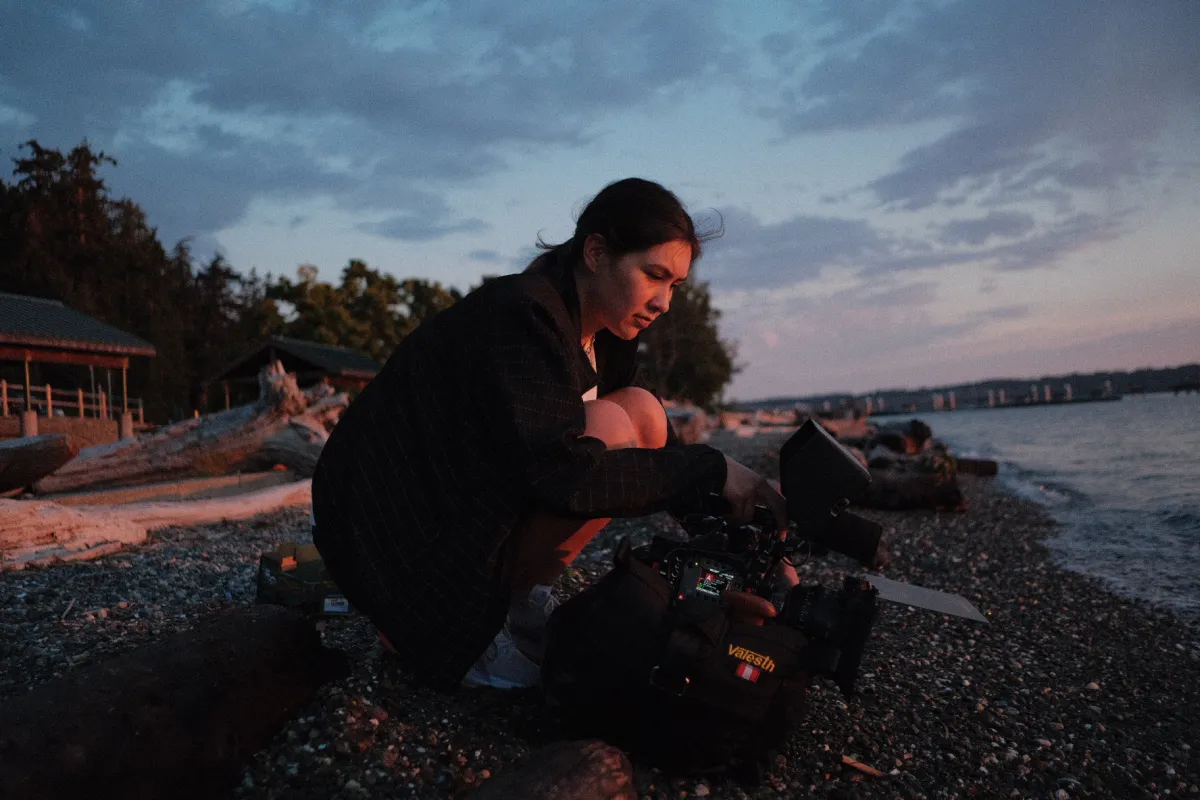
I try to bring that to every set. Some times are easier than others. Film exists in time constraints for the most part, but I like going into a shoot with the ability to take time and connect with the people or environments I’m shooting. That is the most important thing in documentary: to humble yourself to what is in front of you. This requires patience and the ability to be attuned to the present moment. I like to bring things like my personal cameras—including my 35mm Nickeolodeon PhotoBlaster—to both remain wedded to what’s in front of me and reflect on the present moment, which is crucial to my process. I also like to bring a notebook. I journal a lot, so whether that is writing down movie recommendations, or moments to remember, drawing, or even just taking camera notes, there is nothing like pen and paper. I also run quite a lot, so I love to use my running belt to carry essentials like card cases and lens-cleaning cloths. And I love to bring things that I can share: electrolytes, food, Ibuprofen, and battery chargers. I always anticipate dehydration, headaches, or the dreaded stomach grumbles that will absolutely appear mid-interview.
A lot of what I have the privilege of filming involves Indigenous people. I am Diné, and one of the greatest things about my life is getting to see the world through a lens of Indigeneity—with and without a camera on hand. Whether I’m filming a powwow or following the lives of activists, designers, elders, or youth, my job is to lens and frame what constitutes a lifeway. There is importance to it: to find ways to represent, to hold space for breath, and to be truthful and explore the gamut of beauty in what it means to be Native. There is always the pressure to get sucked into the technicalities of filmmaking, but I live for the moments where I simply get to experience. Documentation of Native people hasn’t always been in our hands, and it means a lot to hold a camera in this moment. It’s a balance: Filming isn’t just a way of looking, it’s about using the camera to really listen.
Not too long ago, I was in South Dakota filming with a family who are bringing buffalo back. We were having a beautiful lunch in their dining room, hearing all their stories from the past. I could see from the look on my crew member’s faces that we should be filming the conversation. But we decided not to. It allowed us to be in community with each other, to hear these stories as they are meant to be heard, and fully take in their meaning. When we picked up the camera after lunch, we were motivated by the words spoken at the table. They motivated our camera movements and our approach, framing, and intention.
Whether I’m filming a powwow or following the lives of activists, designers, elders, or youth, my job is to lens and frame what constitutes a lifeway.
Some mornings, while downing my hotel coffee, I cannot help but hum along to a tune that makes me feel like I’m four years old again. “With imagination and a Barney bag,” the song goes, “we’ll see what we can make today.” Yes, it’s a song from Barney & Friends. A ridiculous one at that, perhaps. But since I’m usually running on adrenaline and the excitement for the upcoming shoot, I can’t really dictate what my brain will call up. But when I think of that song, I realize the truth it captures: We, as filmmakers, bring an assortment of tools to a shoot to convey the magic we see in front of us.
When you’re offloading cards in between bites of gas station food, looking back at which shots you got (and what you missed), all while looking ahead at the sleep in your near future, you can sometimes forget that filmmaking can rob us of being people. Don’t get me wrong, I love locking in, using my Cinesaddle to help my weak arms hold the camera for hours on end, feeling like I am making a sacrifice of my body for the greater cause. But even in that moment, I realize that my bag is put together by the version of me who wants to still feel like a person. Who knows that when I do watch out for the sweaty, drained, flummoxed version of myself, I will be able to contribute more and better to the team.
Because with the bag comes the ability to be present. And that presence allows you to be in relation to your surroundings. You open yourself to the world.
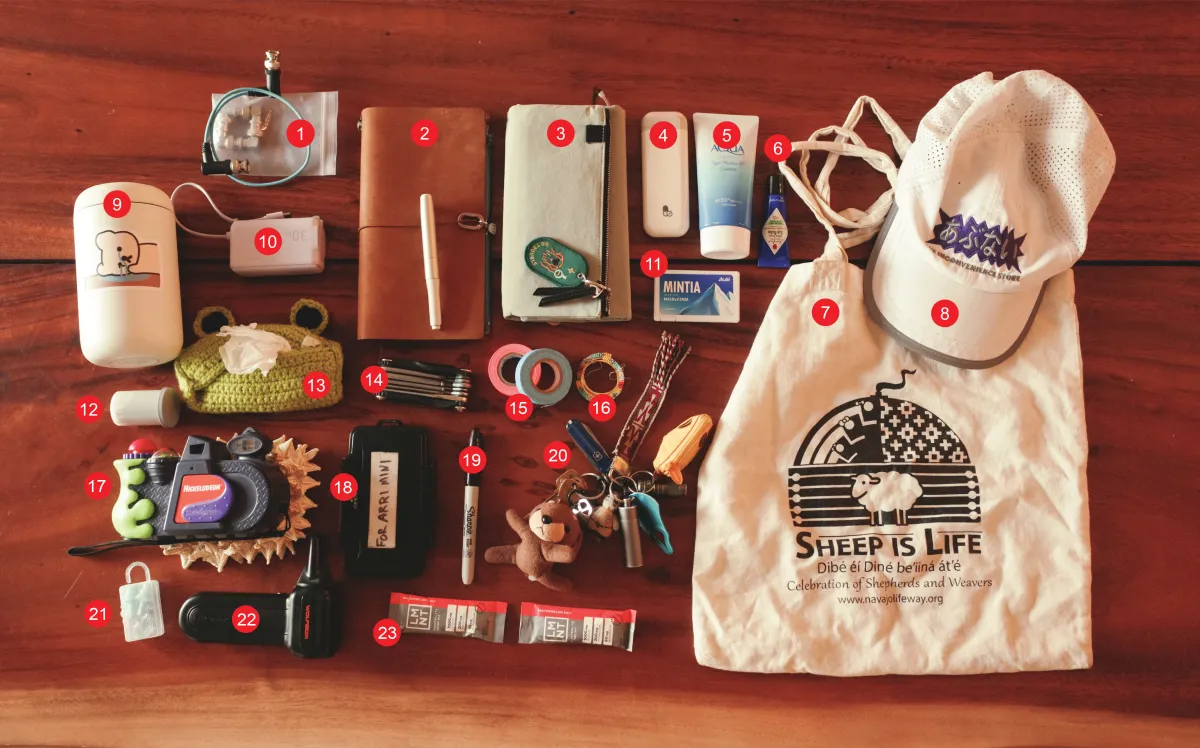
Annotated List:
- SDI cable and right-angle adapters
- Traveler’s notebook with Uniball Zento Signature pen
- Hobonichi Techo planner
- Pillbox
- Skin Aqua sunscreen
- Chapstick gifted to me by my friend Jang
- “Sheep Is Life” tote
- “The Inconvenience Store” hat
- Fellow coffee mug with my favorite sticker
- Anker phone charging block
- Mints
- Kodak Ektar 100 35mm roll
- Frog tissue holder
- RED camera multi-tool
- Spike tape for labels
- Beaded earrings
- Nickelodeon PhotoBlaster, with an accompanying bag underneath that usually holds my Ricoh GR camera
- CFast card case
- Sharpie
- Keychain, with a little dog that looks like my dog, a tiny Porco Rosso, a pill holder, a tick removal tool, tiny Bananagrams tiles, a sash belt keychain by Jonessa Reid, and a Victoronix knife
- Earplugs
- Wolfbox air blower
- LMNT electrolyte drink mixes
This piece was first published in Documentary’s Fall 2026 issue.