

On March 26, PBS and ITVS, co-producers of the long-running independent documentary series Independent Lens, announced the launch of a new YouTube channel called PBS Documentaries. In addition to feature documentaries from Independent Lens, the channel is meant to be “a centralized, scalable hub that elevates PBS’s nonfiction content,” according to a press release, also showcasing work from BBC Studios (such as Life on Earth: Attenborough’s Greatest Adventure), Reel South, and Latino Public Broadcasting’s VOCES, as well as science and history specials created for PBS’s national programming.
For PBS and ITVS leadership, the YouTube partnership represents a powerful new way to expand the audience for independent documentaries during a time of crisis. With the destruction of the Corporation for Public Broadcasting, major funding cuts, and the subsequent closure and shrinkage of local broadcast stations across the nation (from Washington to Pennsylvania to New Jersey), the U.S. public media system and the independent documentaries that it has supported and showed for over 50 years have been on shaky ground.
So YouTube, the largest streaming platform in the world, appears to provide an accessible free-to-use platform and a potential abundance of untapped and younger audiences for social-issue-related and consciousness-raising content. But some documentary filmmakers and industry experts are more skeptical about the move, worried about “the YouTube-ification of our films,” as one ITVS-backed filmmaker, who was granted anonymity, notes. “I worry that getting lost in the algorithms of imperialist media such as YouTube/Google is nothing less than a devastating blow to independent docs.”
Whether it’s these broader concerns—of public media being supplanted by, or subjugated to, a private for-profit Google-owned company—or more practical decisions of how the work is framed, distributed, windowed, or monetized on the platform, the greater reliance on YouTube is being seen as both a blessing and a bummer.
Facing Realities; Sustaining the Mission
“In an ideal world, would there be some sort of Mozilla of public media, or Signal of public media?” says ITVS President and CEO Carrie Lozano. “Sure, that would be amazing, but it doesn’t exist yet, so I think we have to respond to the realities of the world that we live in.”
Lozano, who has been shepherding ITVS through its most difficult period, admits that they have explicitly “grappled” internally with “the contradiction,” she admits, of public media using a private platform. “But the most important thing to public media and to us is to remain accessible to all Americans,” she argues. “So to make this content widely available and to curate it in such a way that it can attract new, young and more diverse audiences fits our mission and we’re always driven by that mission. And that’s the bottom line.”
Lozano recognizes that it’s a cliche, she says, “but it’s true: You want to meet audiences where they are.”
Lisa Tawil, ITVS’s SVP of brand, communications, and audience growth, claims that a significant portion of younger viewers engage with PBS’s YouTube channels, where 56% of the audience has been under 45, compared with their broadcast audience, where only 7% are under 45. “This launch is a part of a broader effort to serve audiences through increased accessibility and a centralized place that is both scalable and can elevate independent film and documentary for the public media system,” she says.
According to a PBS representative, more people are also watching longer, and feature-length content on YouTube on their home TV screens, with PBS’s main channel seeing 20+ minute documentaries driving 90% of watch time among the top 50 videos on their channels in 2025, a 73% jump since 2024.
For now, Independent Lens films will be broadcast on PBS and appear on YouTube simultaneously, according to Lozano, but there will be a future for YouTube-only distribution. “That’s absolutely what we would want,” she says. “And there are some filmmakers who also want the opportunity to just be digital first and digital only. We’re not quite there yet, but it’s something that is in our line of sight.”
For filmmakers, the question now is how are we using YouTube, opposed to how YouTube is using us.
Moira Griffin
The PBS YouTube ecosystem is already expansive. In addition to PBS’s main YouTube page, which features such popular PBS branded shows as Nature, NOVA, FRONTLINE, American Masters, Antique Roadshow, and Masterpiece, there is also the PBS Digital Studios ecosystem, which houses such themed channels as PBS Terra, PBS Origins, PBS Storied, and now includes PBS Documentaries. According to PBS, the Digital Studios network has more than 35 million YouTube subscribers, with an average of 50 million monthly views, with 70% of the audience in the range of ages 18–44—which is the demographic PBS aims to cultivate and grow for the new PBS Documentaries channel.
Separately from the ITVS initiative, American Documentary (AmDoc), which produces POV, the 38-year-old independent documentary strand, is also planning on launching a similar outlet for documentaries. “We are still hellbent on developing a strong streaming and independent documentary distribution platform that provides not an alternative, but another option, as there are just too few options now,” says AmDoc Executive Director and POV executive producer Erika Dilday, who notes some POV content will also appear on the PBS Documentaries YouTube channel.
AmDoc’s new venture will likely be in partnership with WXXI, Rochester’s public media station, according to Dilday and WXXI’s Chris Hastings, who has a long relationship with AmDoc under his previous tenure as head of WORLD Channel. (In the post-CPB shakeup, AmDoc now runs WORLD’s YouTube channel.)
“Neither POV or the former WORLD strands are going to be as robust as they have been in the past, but we hope they will be in a year,” admits Dilday, who says POV seasons 39 and 40 are in the works. Filmmakers have told Documentary that POV’s typical 12 to 14–film slate may be cut down to around six PBS broadcast slots, making alternative platforms for viewing the work all the more important.
“We’re going to be doing something special in the service of the distribution of films for independent filmmakers,” says Chris Hastings, WXXI’s president and CEO. “My hope is with WXXI, and in partnership with AmDoc and other partners, we can help elevate and expand the acquisition, coproduction, exhibition, and distribution of films. And if PBS wants to partner, we’re open to that, too.”
For Hastings, however, YouTube is only one part of the puzzle. “We’re also looking at other OTT options, so we can monetize the content,” he explains. “The big thing for me is that we also have a local movie theater in Rochester, so I’m looking at theatrical distribution, I’m looking at community screenings, and I’m working with other distributors internationally, so that we might help the films find homes around the world, so YouTube may be the start, but the partnership is what’s key for me: partnerships with organizations like AmDoc and other stations, but most importantly, partnerships with the filmmakers.”
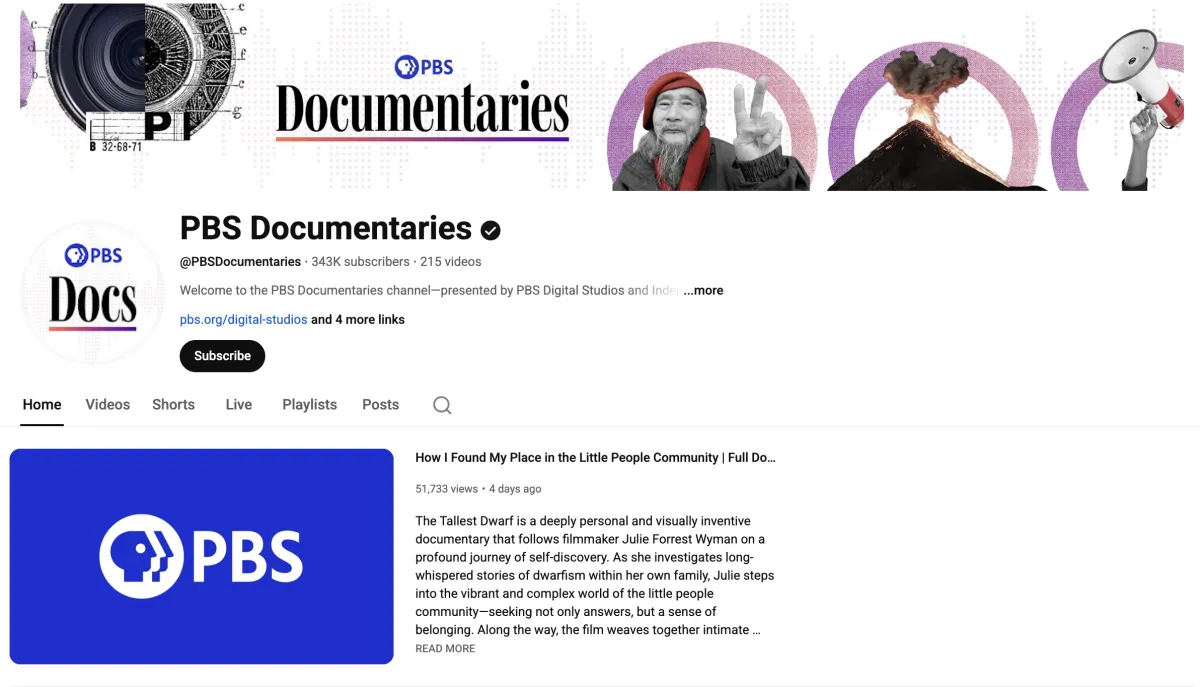
April 10, 2026 screenshot of the PBS Documentaries YouTube channel.
Filmmakers Respond; Questions Abound
“A number of us are seeing this as a kind of ‘canary in the coal mine’ [moment],” says one documentary producer. “It’s not just a shift in platform, but a signal of deeper industry changes.”
Of the seven documentary filmmakers interviewed for this article, some welcome the expanded audience provided by YouTube distribution, while others list a wide range of concerns, including the possibility of A.I. training and scraping based on their work; clearance vulnerabilities, such as fair use being undermined if flagged by YouTube content moderation; the free clipping and re-posting of their work; participant safety and consent; being on an algorithm-driven platform; and most of all, worries about career sustainability related to both audience cultivation and potential lost revenue, particularly in relation to educational and other licensing opportunities.
One documentary consultant worries that filmmakers will lose access to their most “enthusiastic fans.” “Filmmakers would like to know who [their audiences] are and stay connected with them over their entire careers, and YouTube keeps that information for itself,” they say.
ITVS leadership is confident that’s what they’re doing, in collecting demographic data and retention time, as well as increasing the number of viewers and engagement with the films. “We’re also looking at the comments, and asking are we building civic value and are we building community,” says ITVS’s Tawil. “So I would say we’re looking at this qualitatively and quantitatively, because we want to capture trust.”
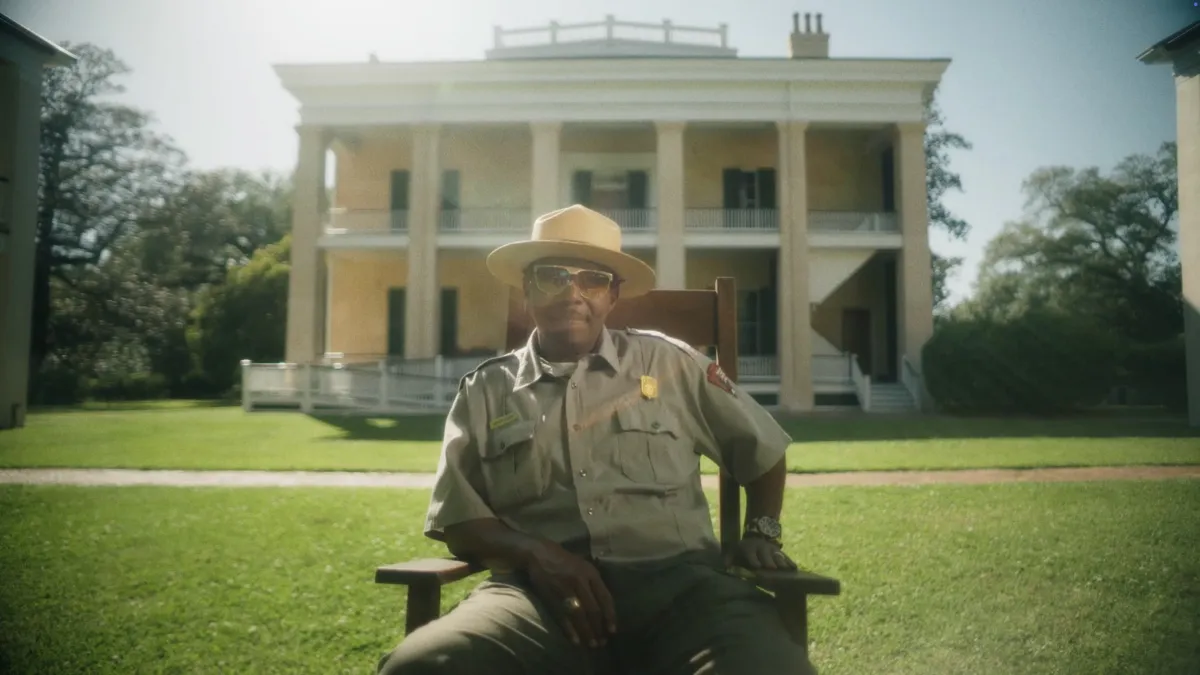
Documentary producer Darcy McKinnon, a producer on Natchez, which will be broadcast simultaneously on Independent Lens and the YouTube channel in May, is supportive of the YouTube initiative. “I don’t have a problem with it,” says McKinnon. “I want films made for PBS to have the broadest reach possible, and I’d rather have it available on YouTube than other streaming services. That’s what these films are meant to do.”
But filmmaker Grace Lee, a director of multiple POV broadcast docs and host of the PBS investigative podcast “Viewers Like Us,” disagrees. “When the whole world including the film industry is in collapse, why not use this crisis as an opportunity to figure out a new system that can benefit producers and the public instead of Google and its shareholders?” she says. “At this point, I’m more interested in direct artist-to-audience models so I can build my own subscriber base and be sustainable. That’s what YouTube content creators have been doing since 2006.”
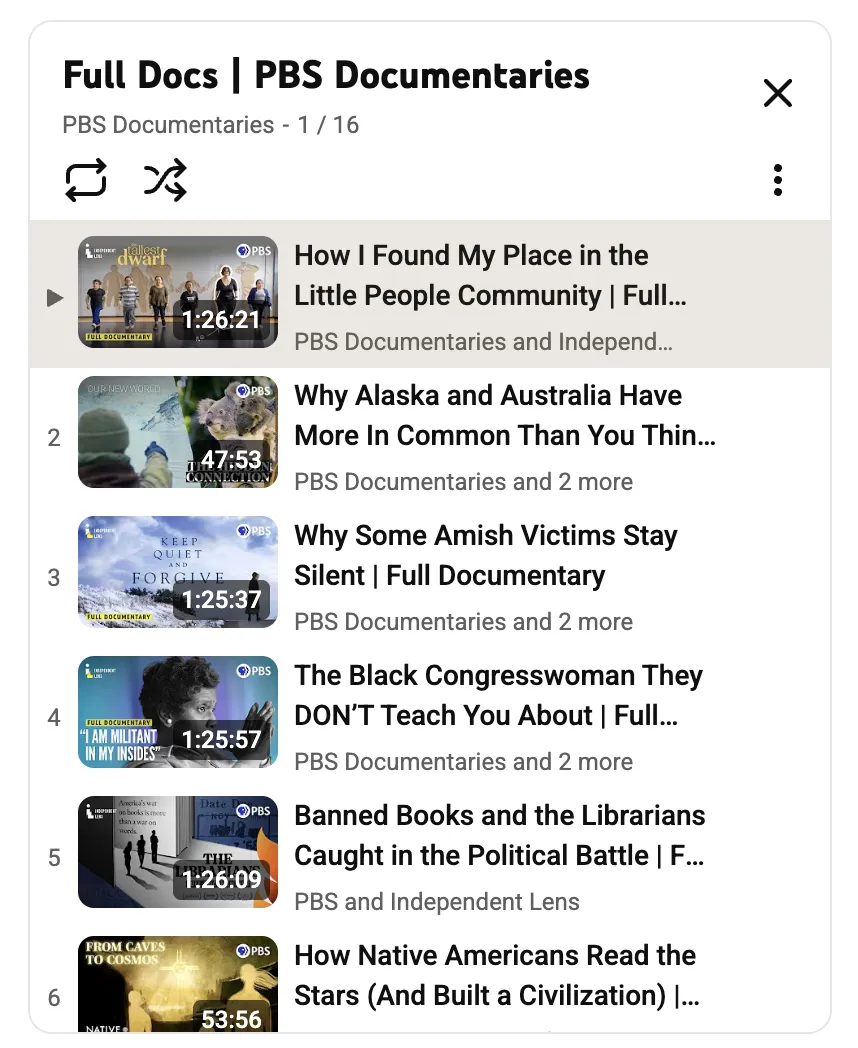
April 10, 2026 screenshot of a PBS Documentaries playlist of documentaries on the channel.
Contrary to such creator-driven models, PBS Documentaries’ YouTube film pages don’t explicitly connect their streamed documentaries to their creators—there is no mention of the director’s or filmmakers’ names in the film’s content descriptions—and the titles are changed from the original version to phrases that are more “click-baity,” as one filmmaker complains. “We know the actual documentary titles are very important,” explains PBS Digital Studios’ head Maribel Lopez, “but they don’t lend themselves to being discovered and attention-grabbing.”
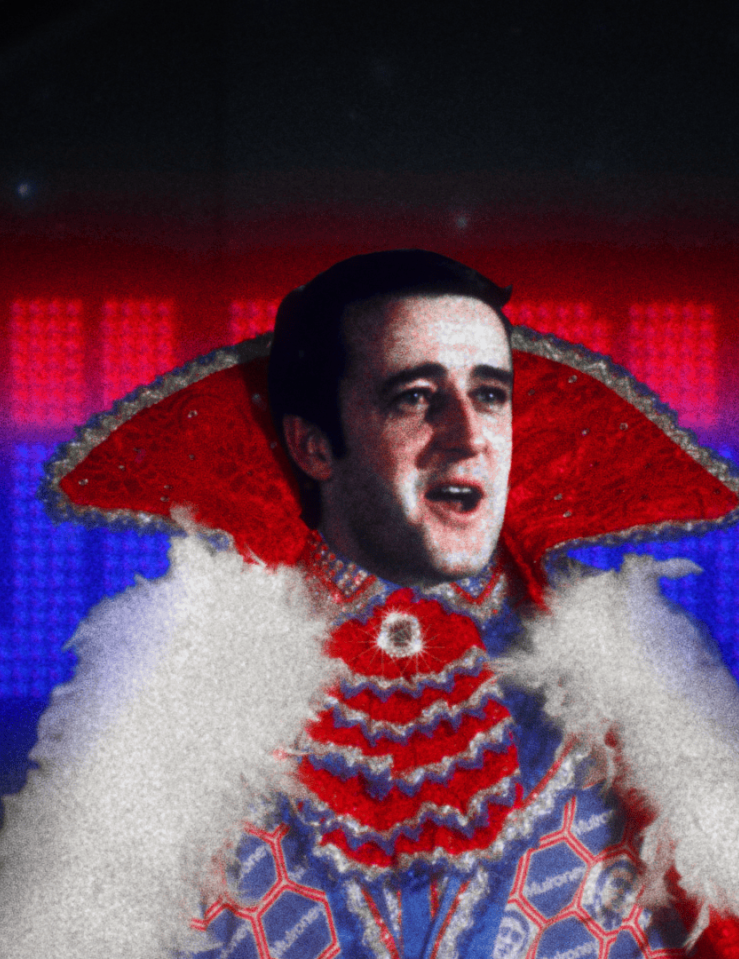
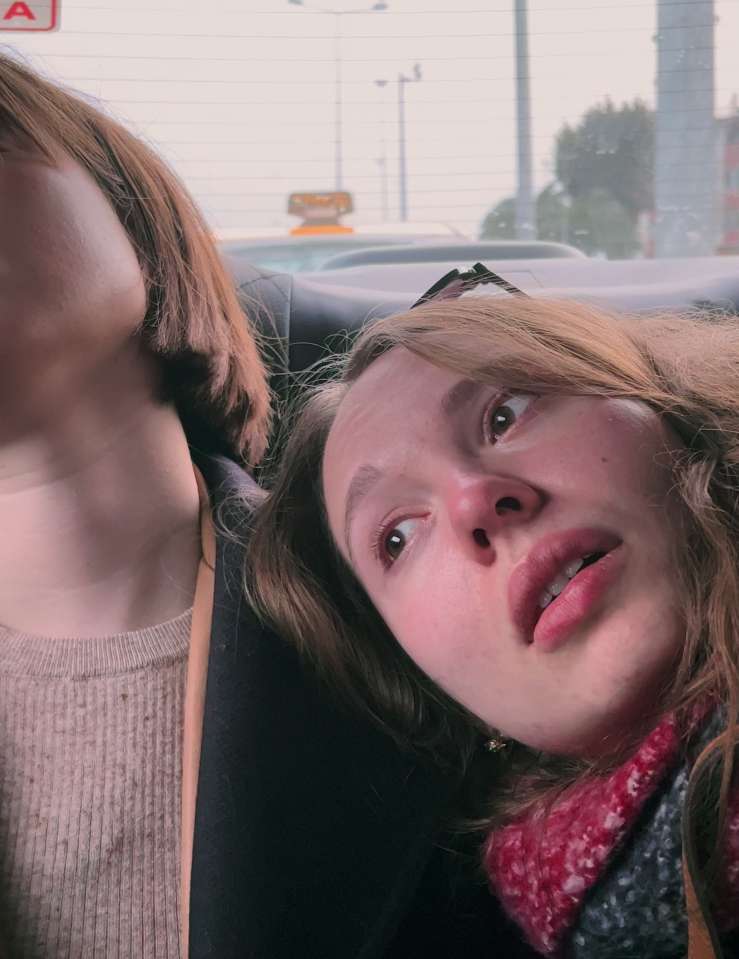
Angela Tucker’s The Inquisitor, for example, which was the inaugural film on the channel, was titled “The Black Congresswoman They DON’T Teach You About”; Sarah McClure’s Keep Quiet and Forgive is listed as “Why Some Amish Victims Stay Silent”; and Julie Wyman’s The Tallest Dwarf as “How I Found My Place in the Little People Community.”
One documentary producer whose film premiered on Independent Lens’ YouTube channel last year was frustrated with the way their film was framed on PBS’s YouTube page. They didn’t have a chance to give feedback to the altered title or thumbnail image used before it went live, said the producer, “and we had to scramble to get them to update our image with something more appropriate.”
Windows and Monetization
By and large, the most significant potential impact of the YouTube channel is a shift in distribution windows. According to several ITVS-supported filmmakers, PBS Documentaries’ YouTube window is typically 90 days, with a limited, nonexclusive repeat streaming window—such as additional 30-day pop-up showings—for another four years. While PBS and ITVS executives point out that exact deals for each film will be different, one director-producer explains, “There is very little competition, so you can’t negotiate from any position of power.”
According to sales agents, the 90-window is effectively functioning as a Pay-1 streaming deal for these titles, which makes it a “deal-killer” for other potential streaming deals down the line on major platforms such as Netflix and Hulu. But since most independent documentaries are currently not getting picked up for other streaming opportunities, the YouTube window “may be less of an issue than before,” says one executive.
Moira Griffin, producer of The Inquisitor, the inaugural release of PBS Documentaries, has been enthusiastic about the film’s day-and-date broadcast and YouTube release, particularly because they were unable to sell the film in international territories or lock down other deals. (They’re also still in the midst of clearing archival rights before a TVOD launch). “We want the movie to get as seen by as many people as possible, and YouTube has that reach,” she says. After two weeks on YouTube, the film had ratcheted up over 140,000 views, and drawn over 200 comments (all, by and large, enthusiastic).
Projects like The Inquisitor that are mostly funded by grants don’t face financial pressures to recoup investors’ financing, or monetize their projects. For others, that isn’t case, and PBS Documentaries’ YouTube efforts don’t seem to be a revenue replacement for streaming or broadcast licensing fees. While the channel will feature ads, both at the beginning and end of the films, none of that ad revenue will reach the film teams. Explains Tawil, “the channel will be monetized with minimal disruption to the viewing experience and the revenue generated to the channel will be reinvested in the channel.”
We really hope that this doesn’t cannibalize the audience, and that increased visibility on YouTube will build awareness and ultimately drive more engagement over the long term.
Debra Zimmerman, Woman Make Movies
For some distributors and filmmakers, the YouTube arrangement also risks these films’ ability to garner important educational deals, institutional screenings, and TVOD revenue. Annie Roney, founder and CEO of Roco Films, a global documentary distributor with an educational division, doesn’t have an issue with the films hitting YouTube, per se, as she recognizes it’s an essential platform. But she does find it “problematic” if the films aren’t afforded a lengthy window—ideally 9 months after broadcast—in order to exploit educational screenings. “When we’re trying to entice organizations to host a screening and it’s free on YouTube, it becomes very challenging,” she says. Similarly, for selling rights to educational streamers such as Kanopy or Proquest (where Roco’s films are), Roney says universities may be less likely to pay for the content if it’s on YouTube.
While Roney admits it’s different for every film, “We see a fall in revenue when a film goes to TVOD, let alone free VOD,” she says.
Debra Zimmerman of Women Make Movies, which has the rights to two of PBS Documentaries initial slate titles, The Inquisitor and The Tallest Dwarf, says,“We really hope that this doesn’t cannibalize the audience, and that increased visibility on YouTube will build awareness and ultimately drive more engagement over the long term.”
Elizabeth Sheldon, head of distributor Juno Films, says it can go both ways. While she acknowledges that films’ VOD revenue or educational licensing can be affected if a film shows up for free on YouTube, she admits the 90-window and 30-day additional showings “could generate more interest and conversation.”
“I don’t think the sky is falling,” continues Sheldon. “I would rather PBS have a model that works for them and increases their viewership, so they can continue to acquire films, rather than not,” she says. “It’s a long tail business and our traditional silos are going to need to be more fluid.”
For The Inquisitor’s Moira Griffin, she admits they never foresaw YouTube as a platform for their film, and the move speaks to the “sad state of the American entertainment business and government’s support for the arts.” But given the current state of affairs, she adds, “For filmmakers, the question now is how are we using YouTube, opposed to how YouTube is using us.”